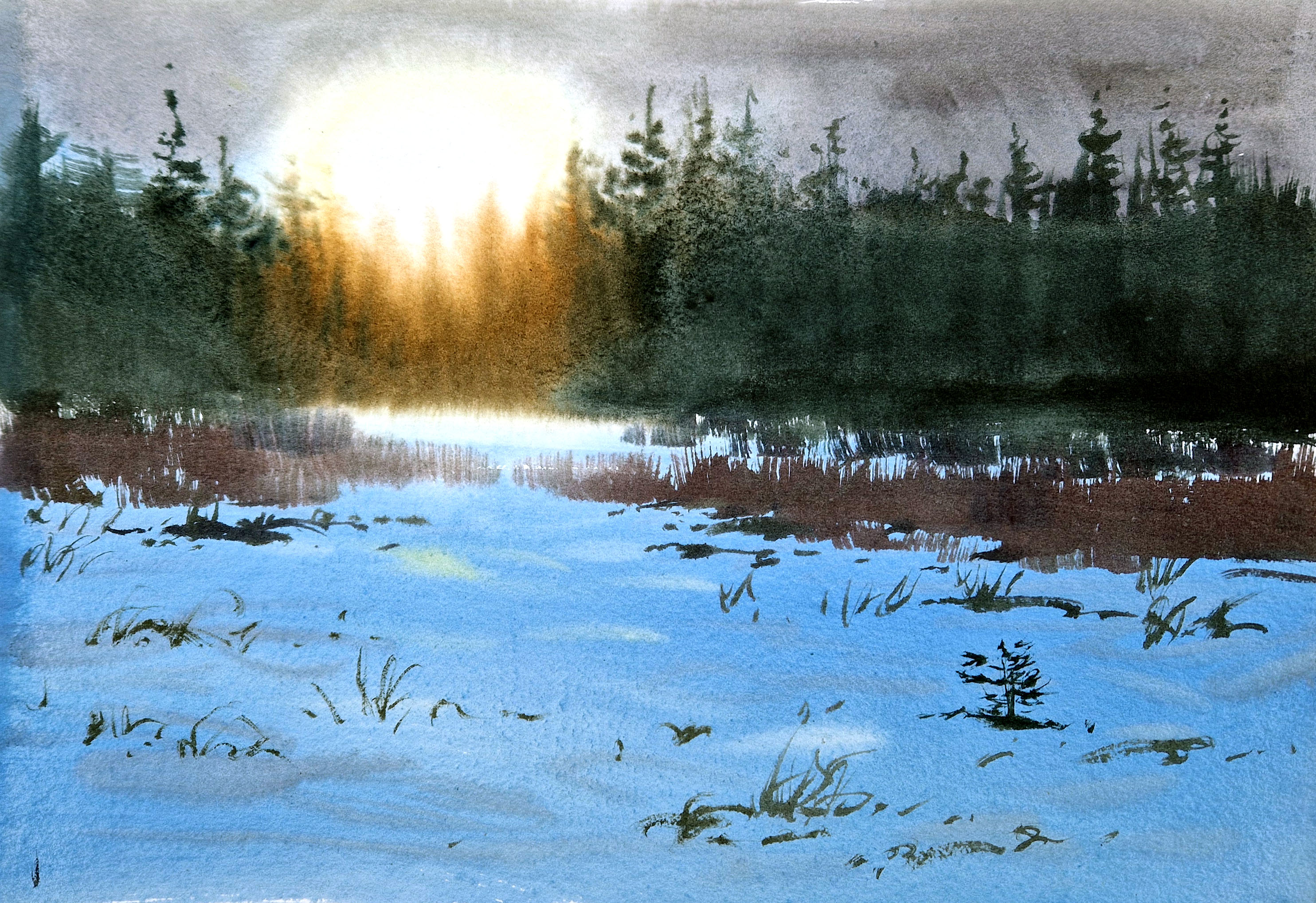
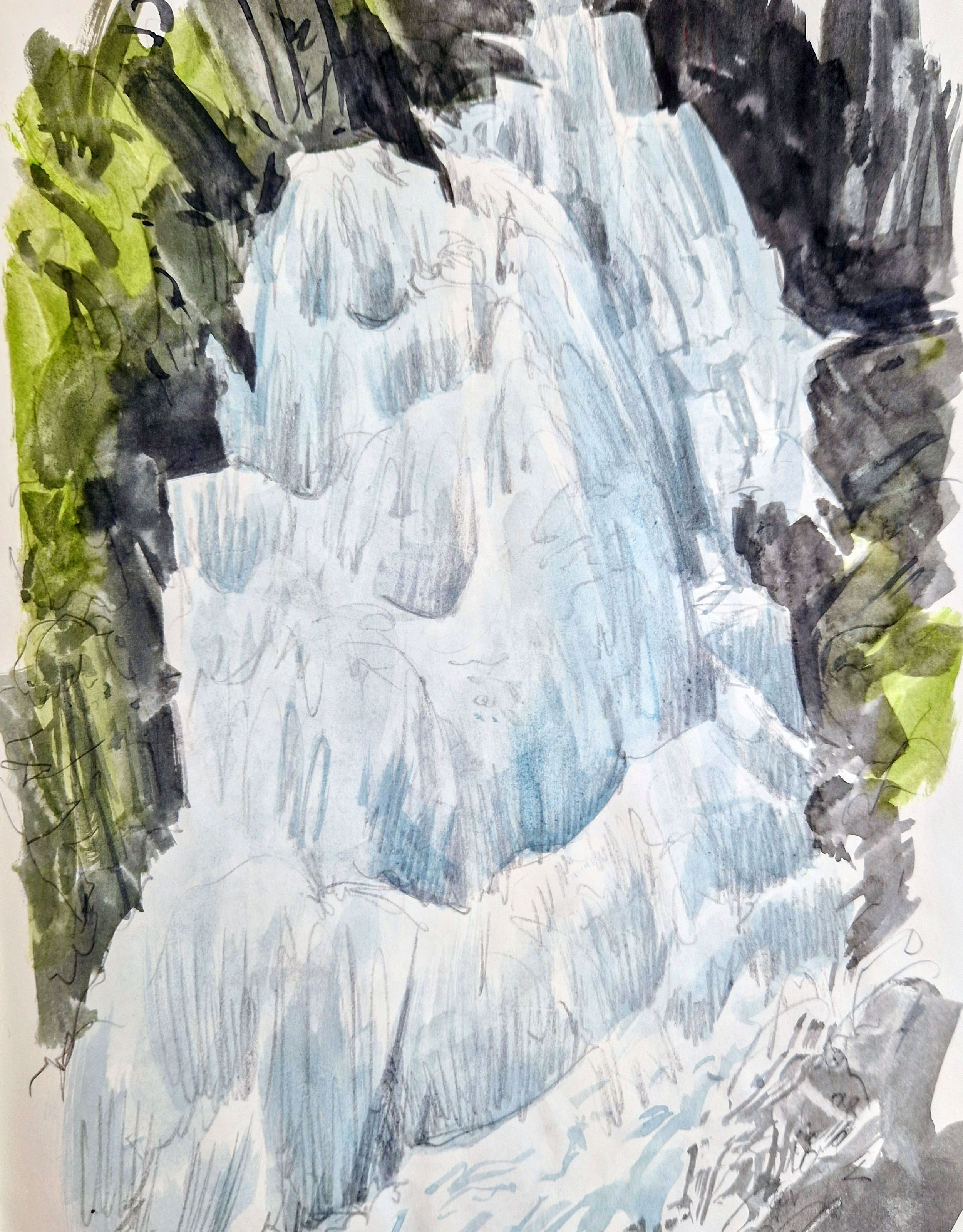
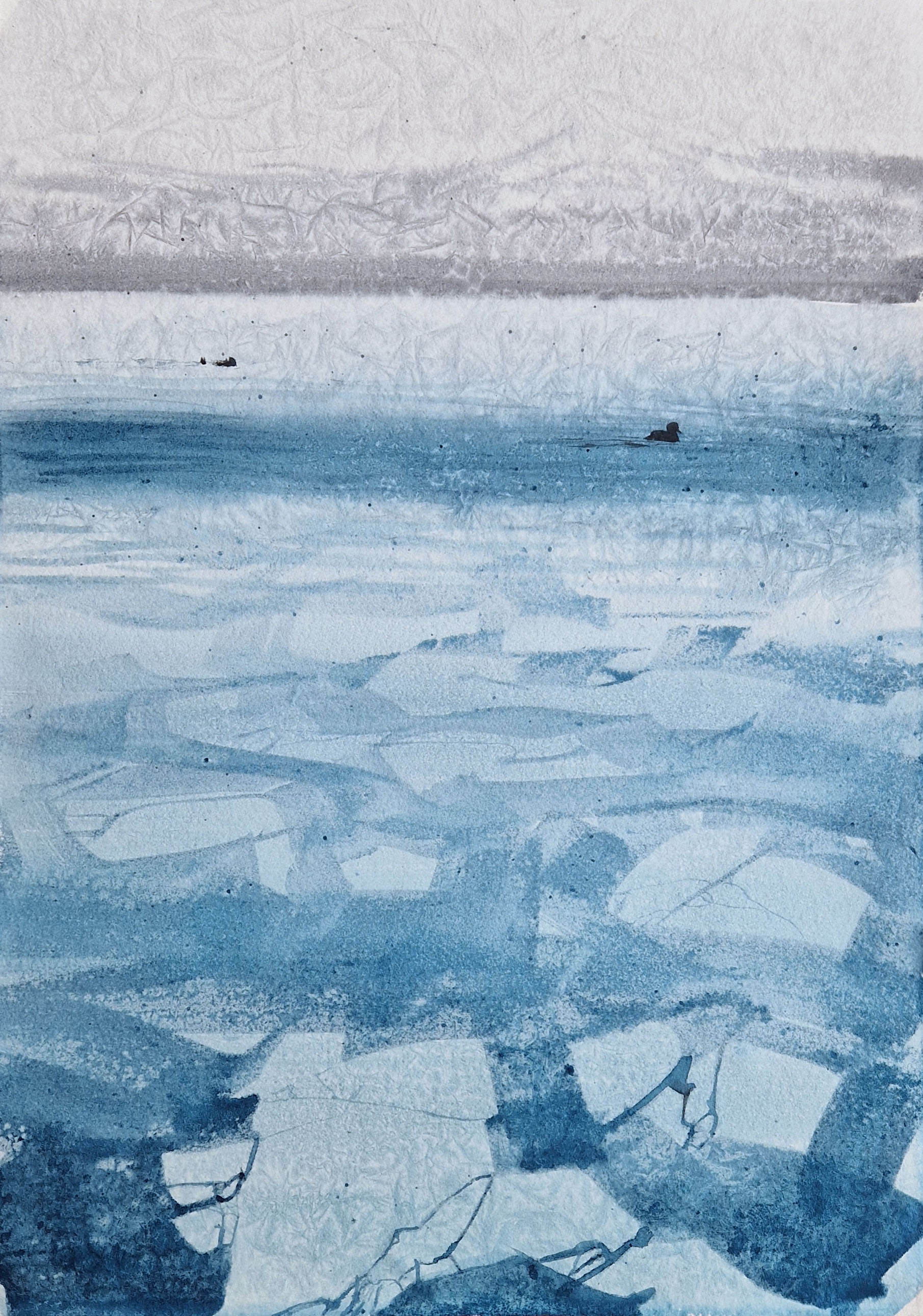
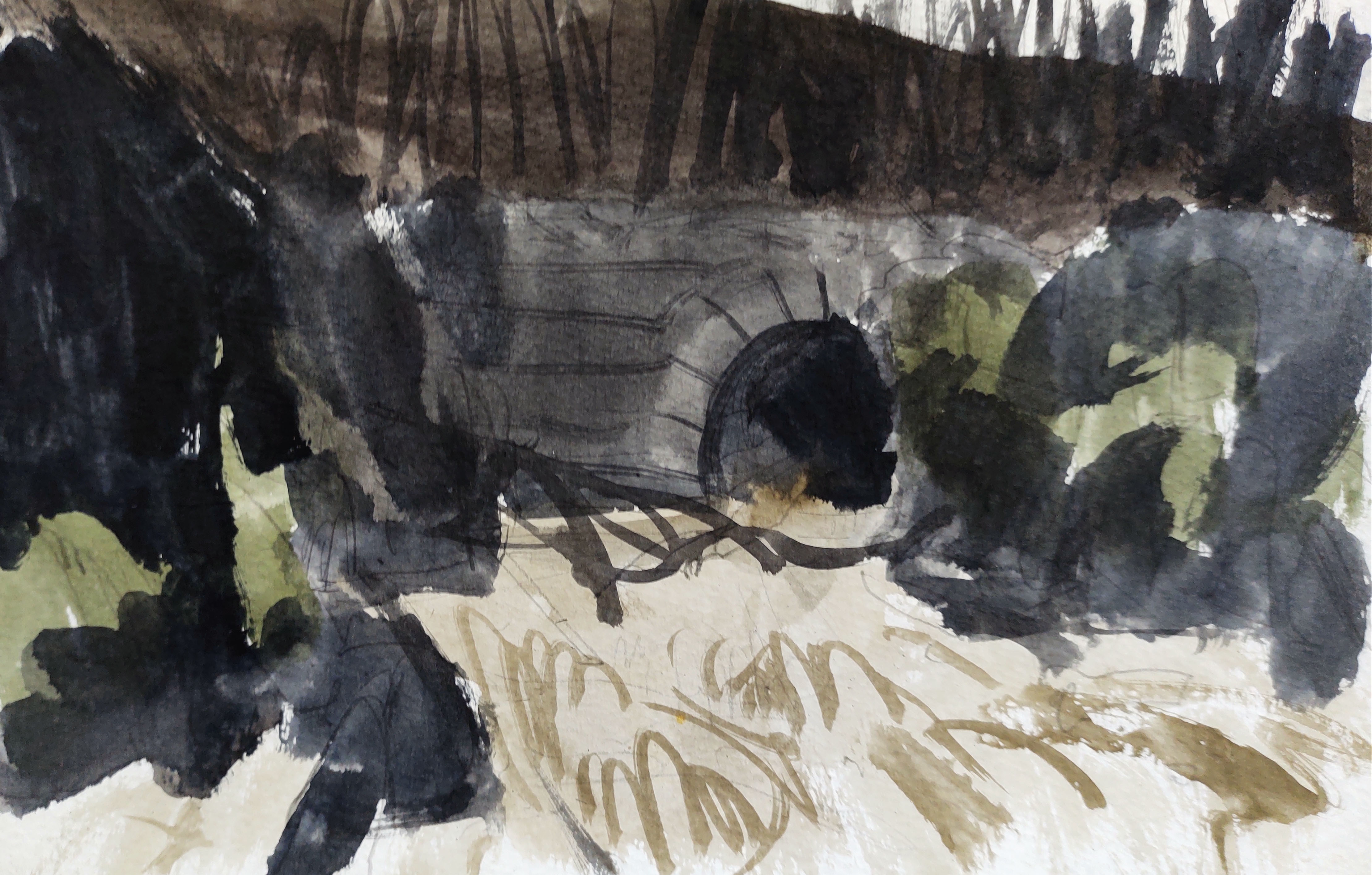
The Heartbeat and Lifeblood of an Alaskan Rainforest

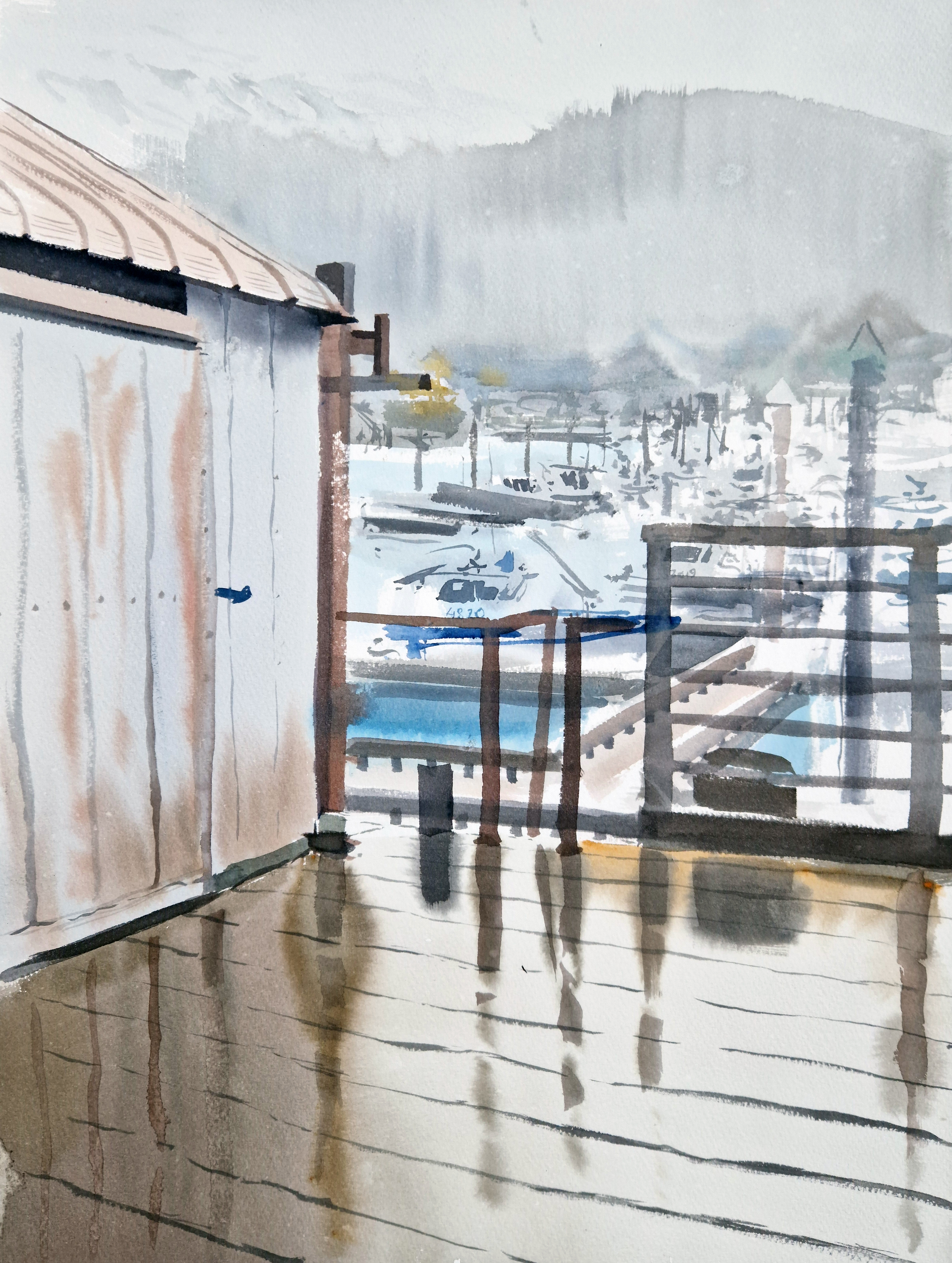
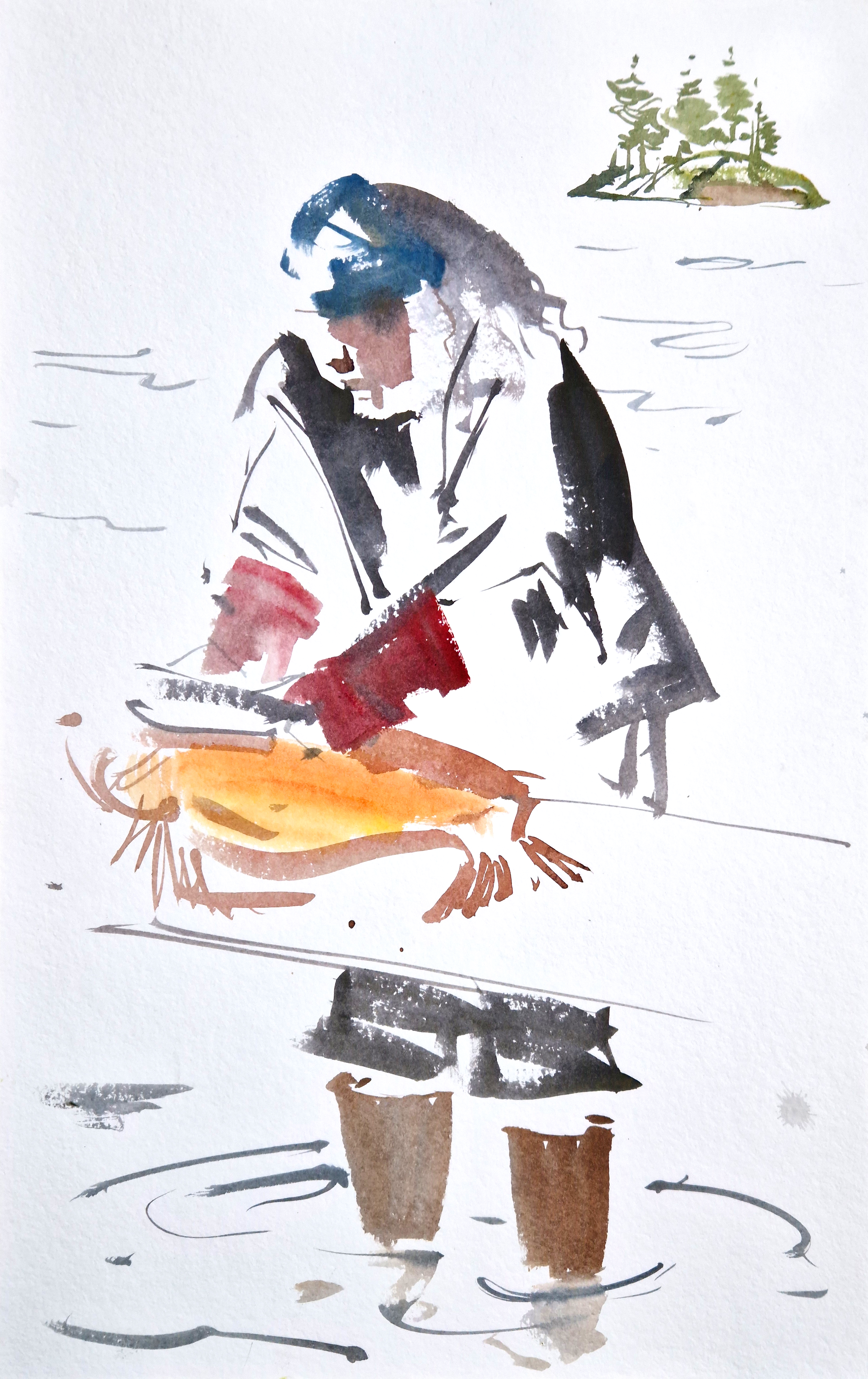
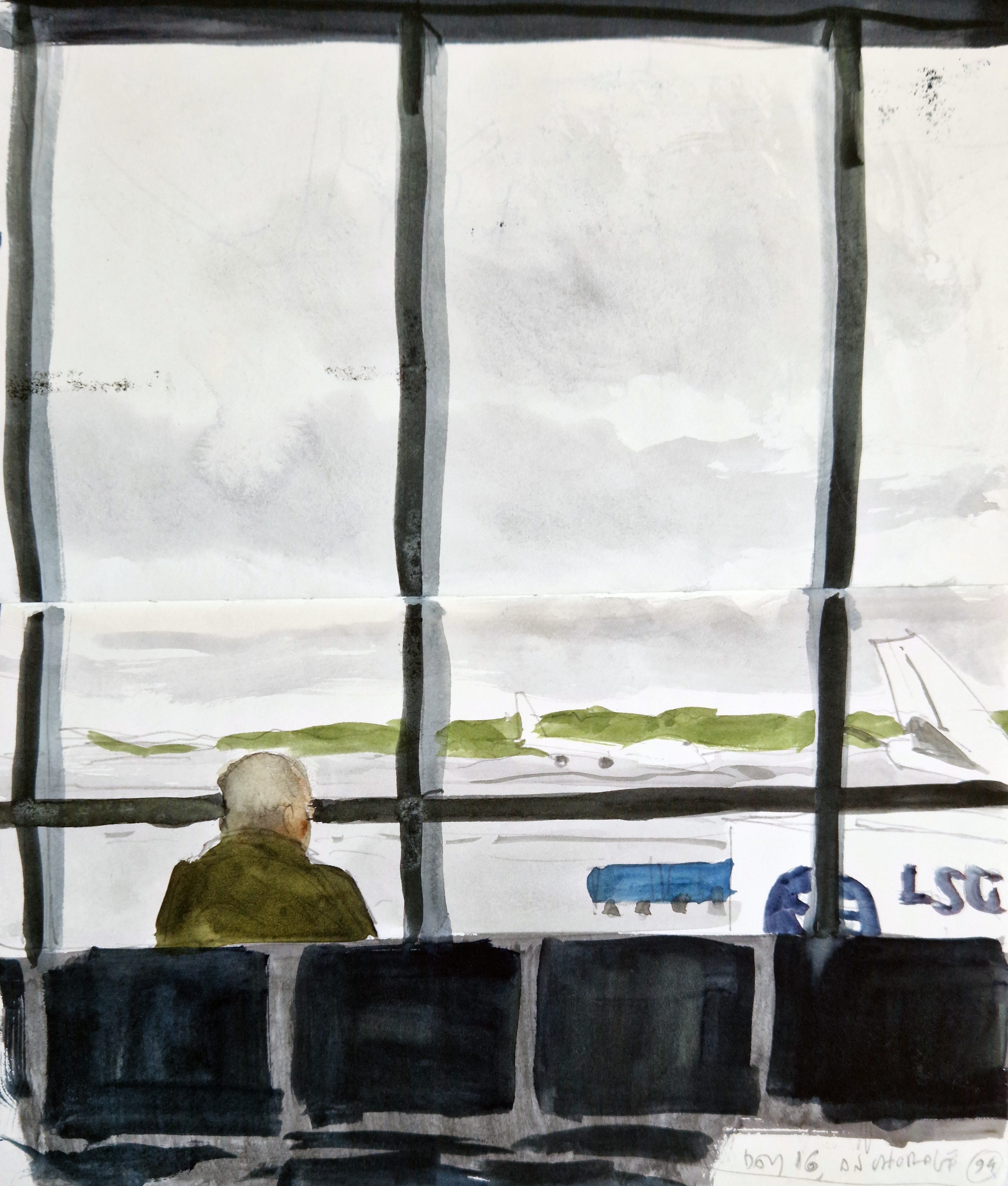
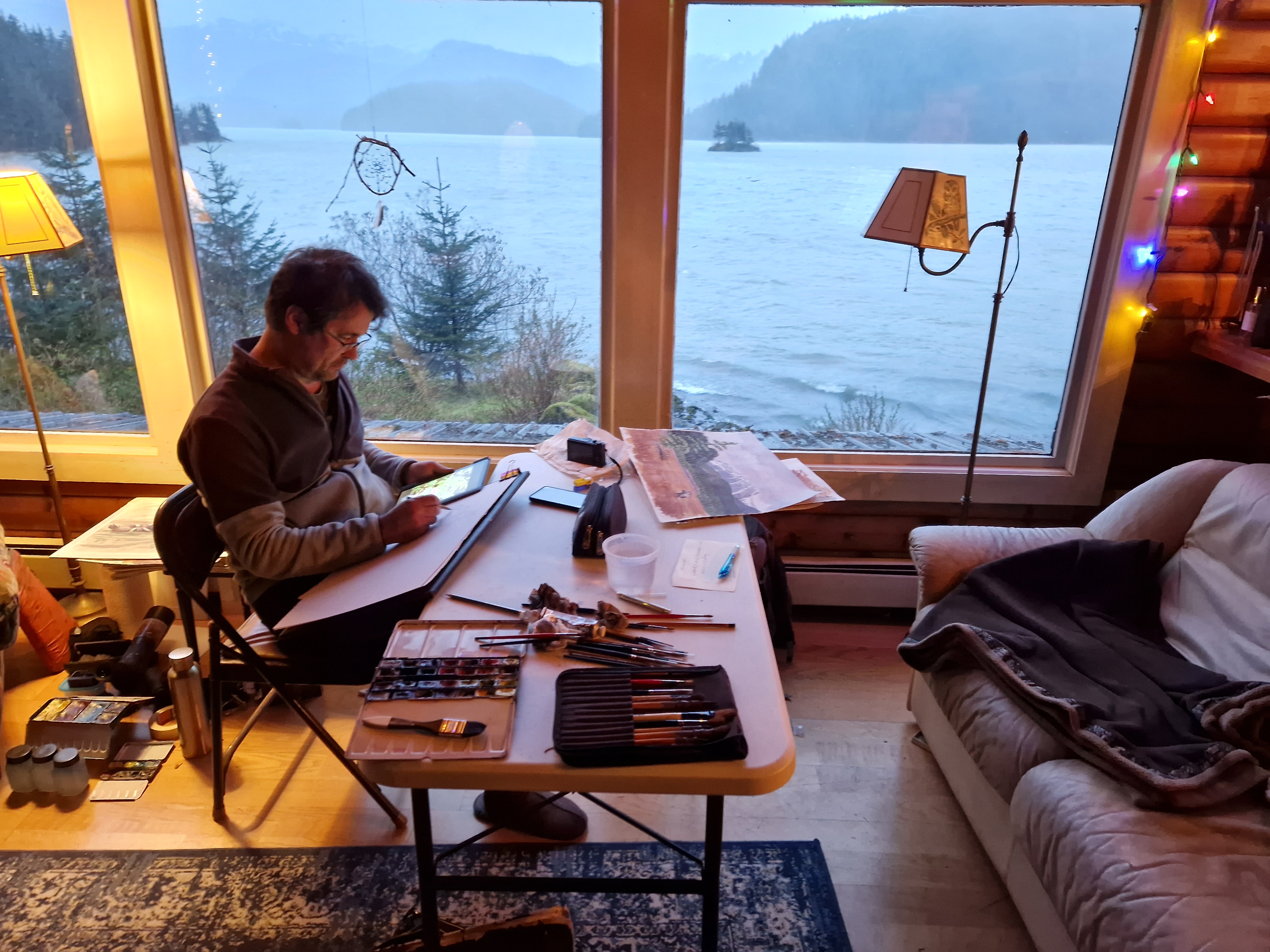
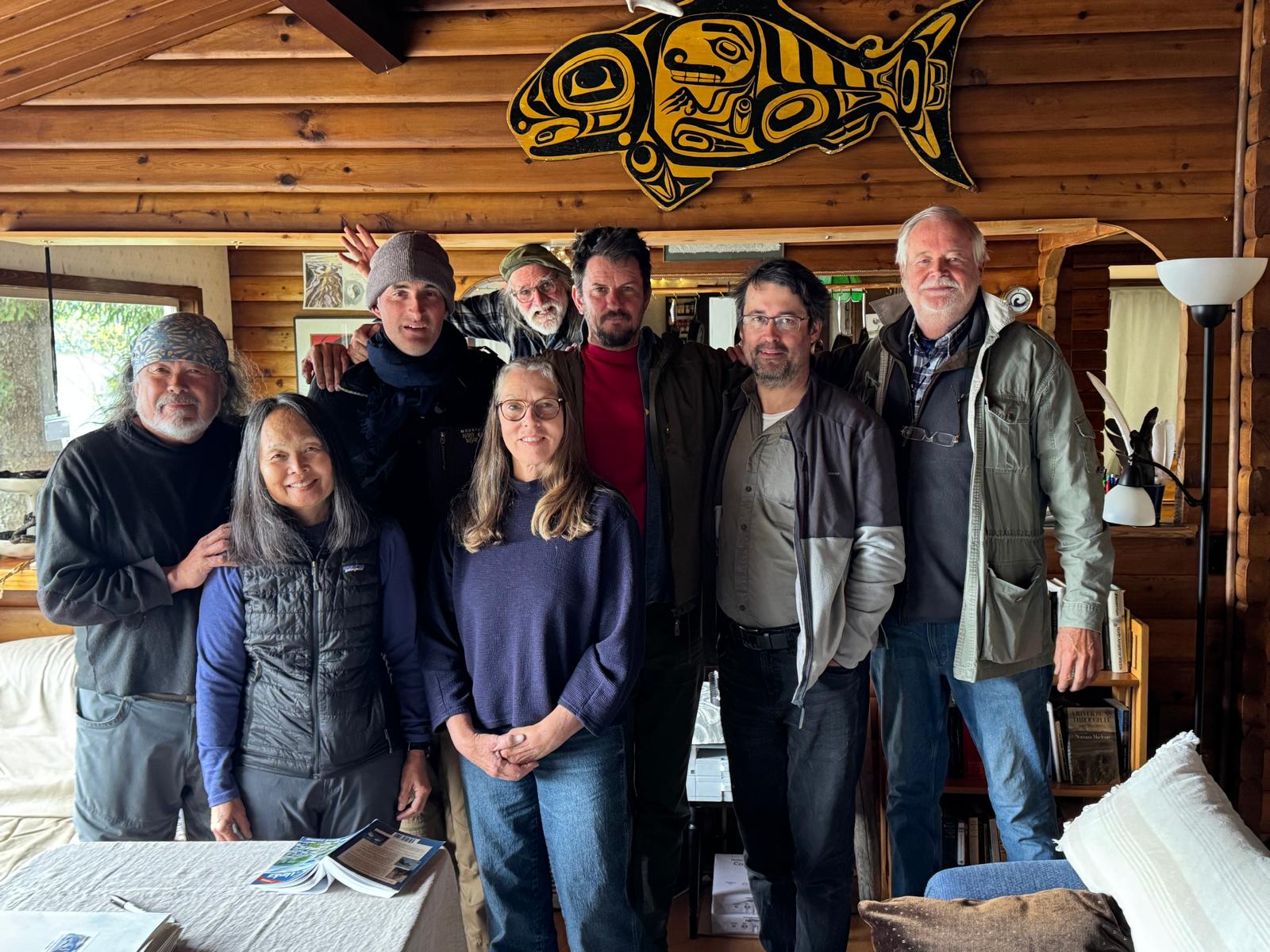
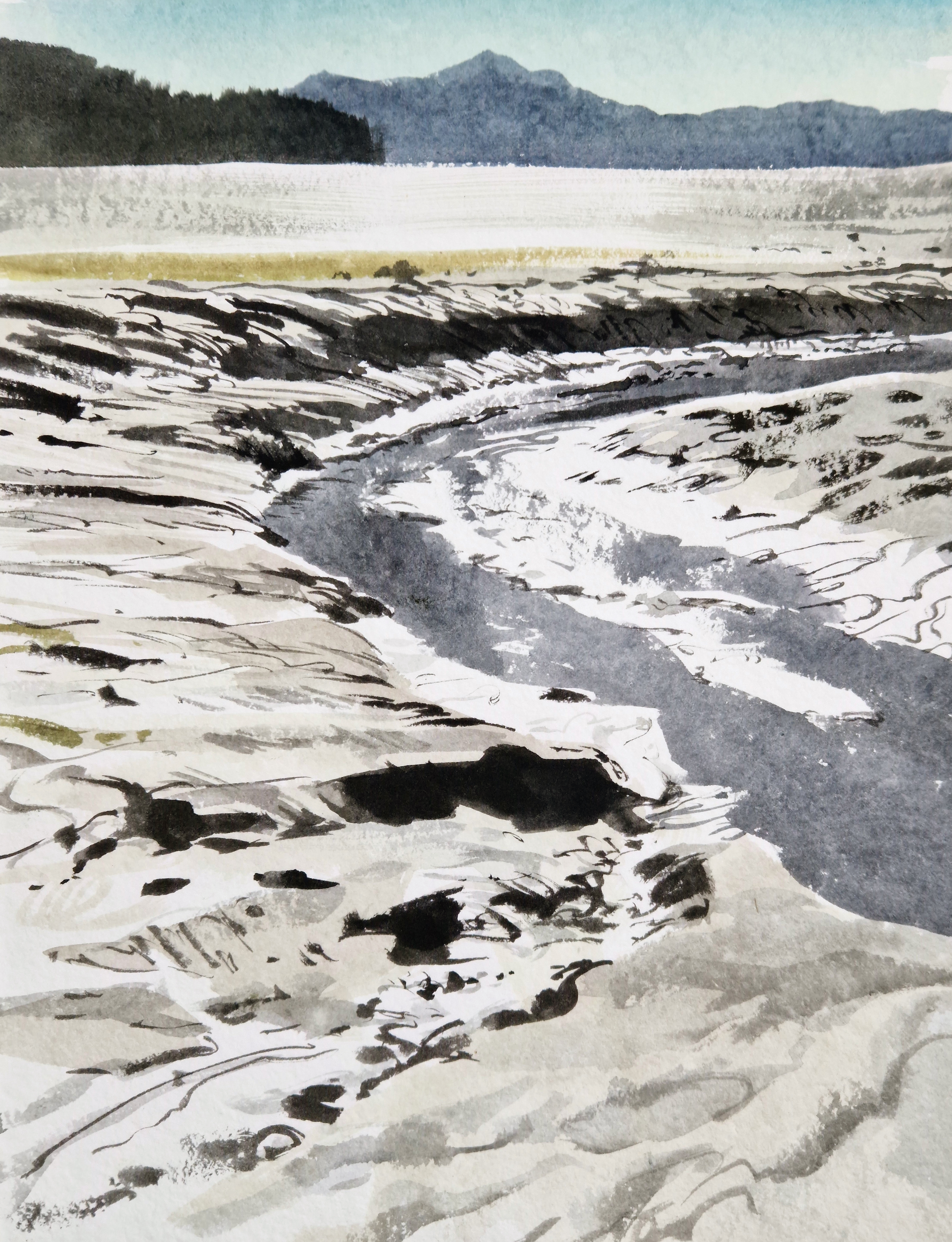
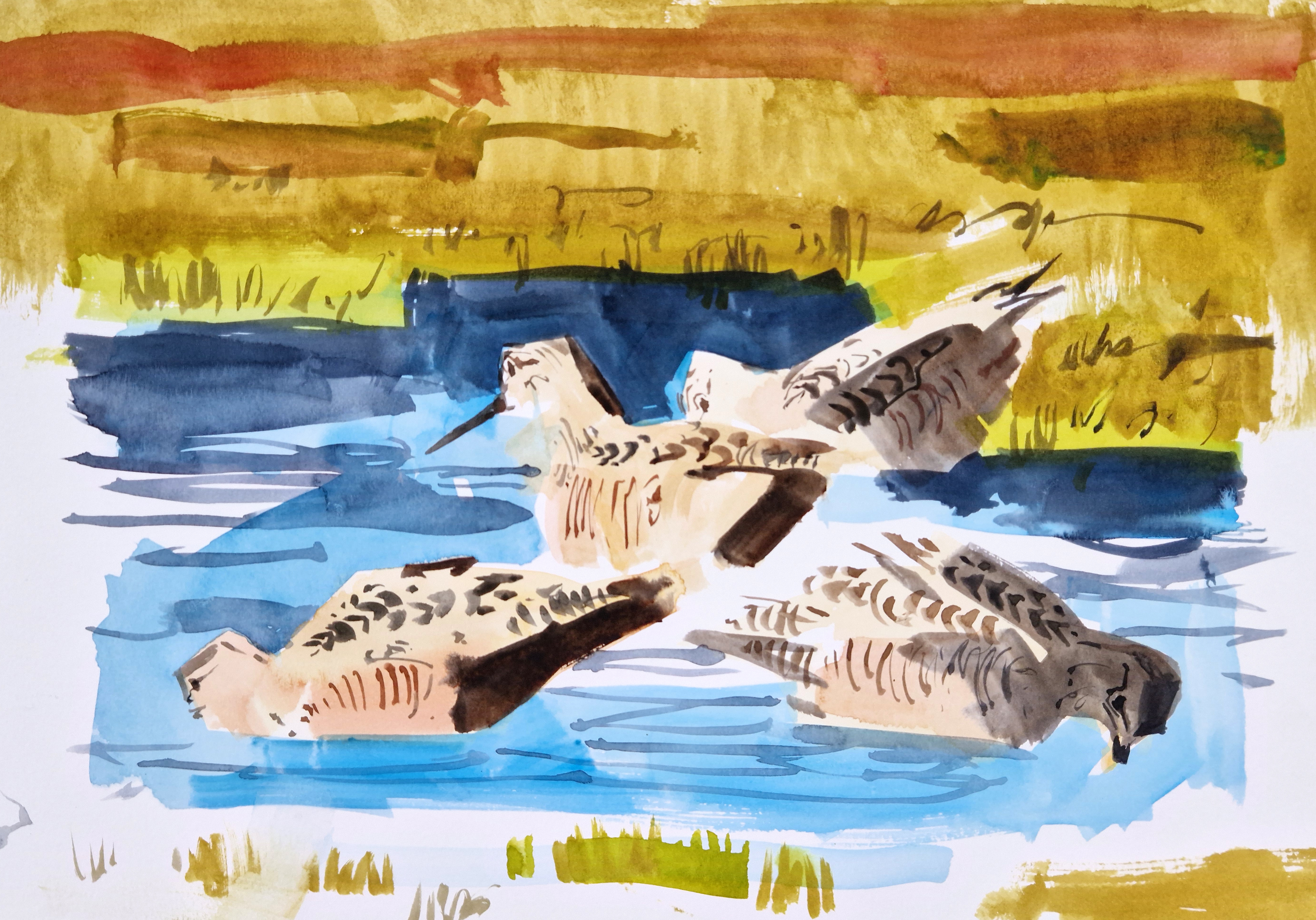
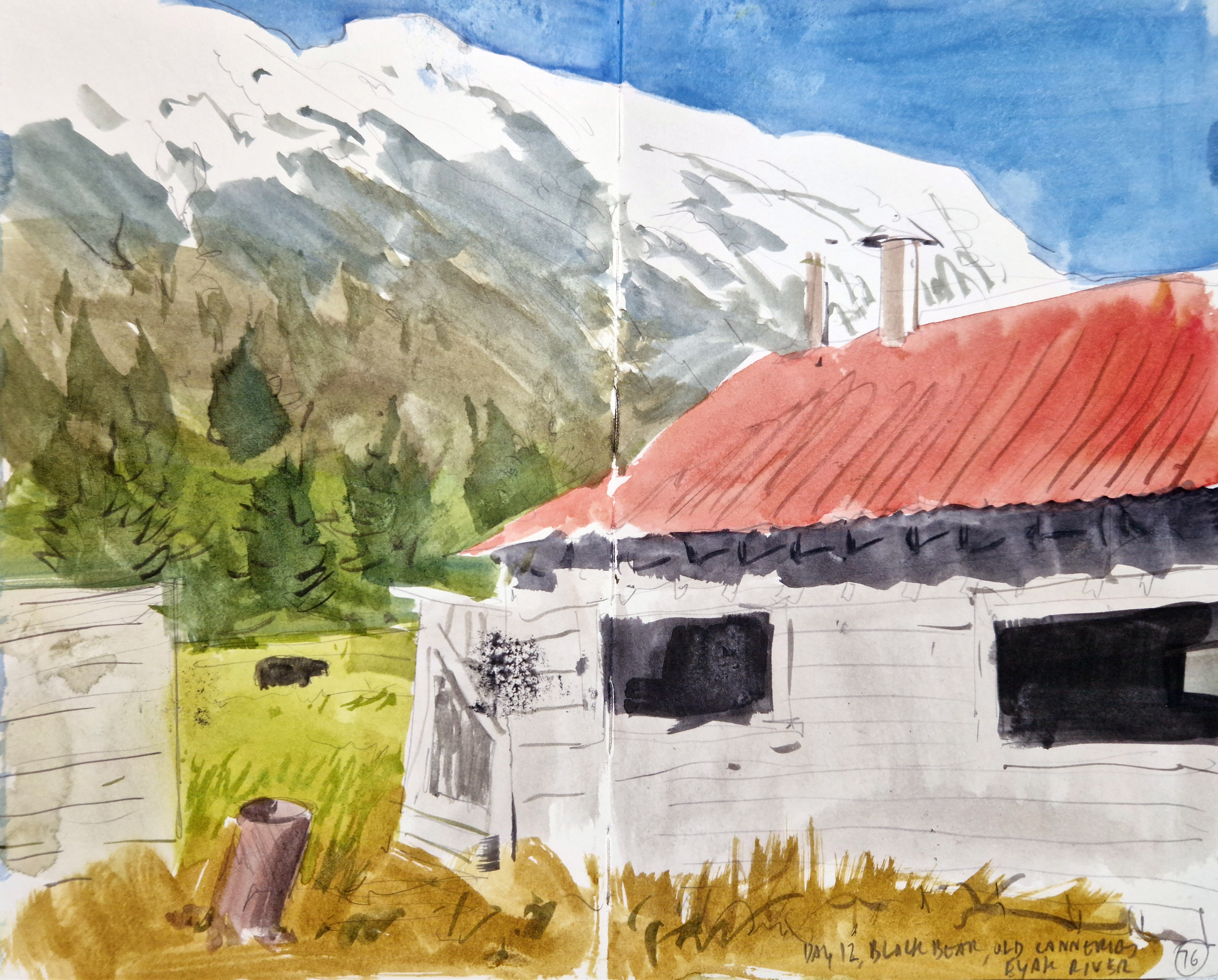
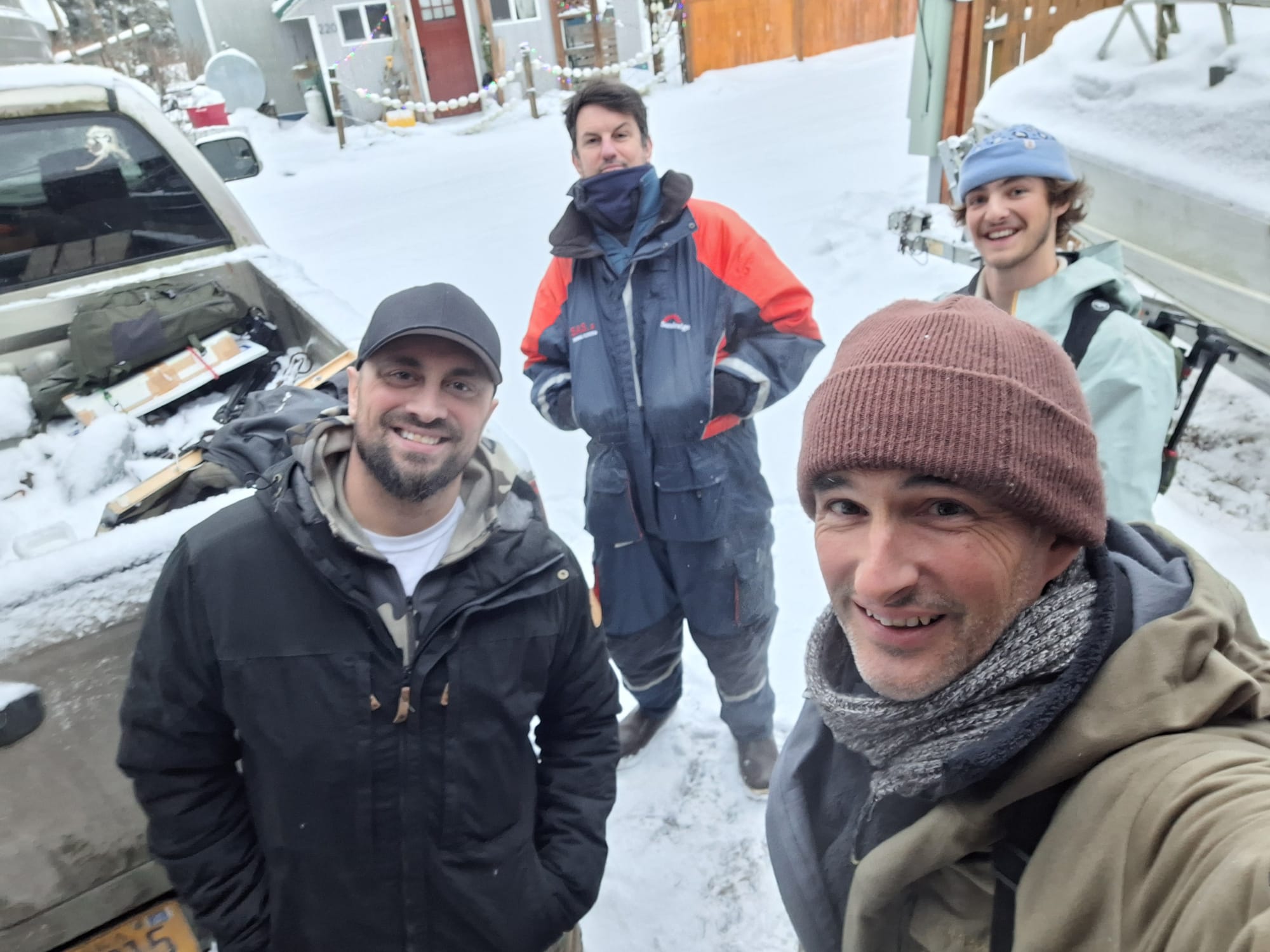
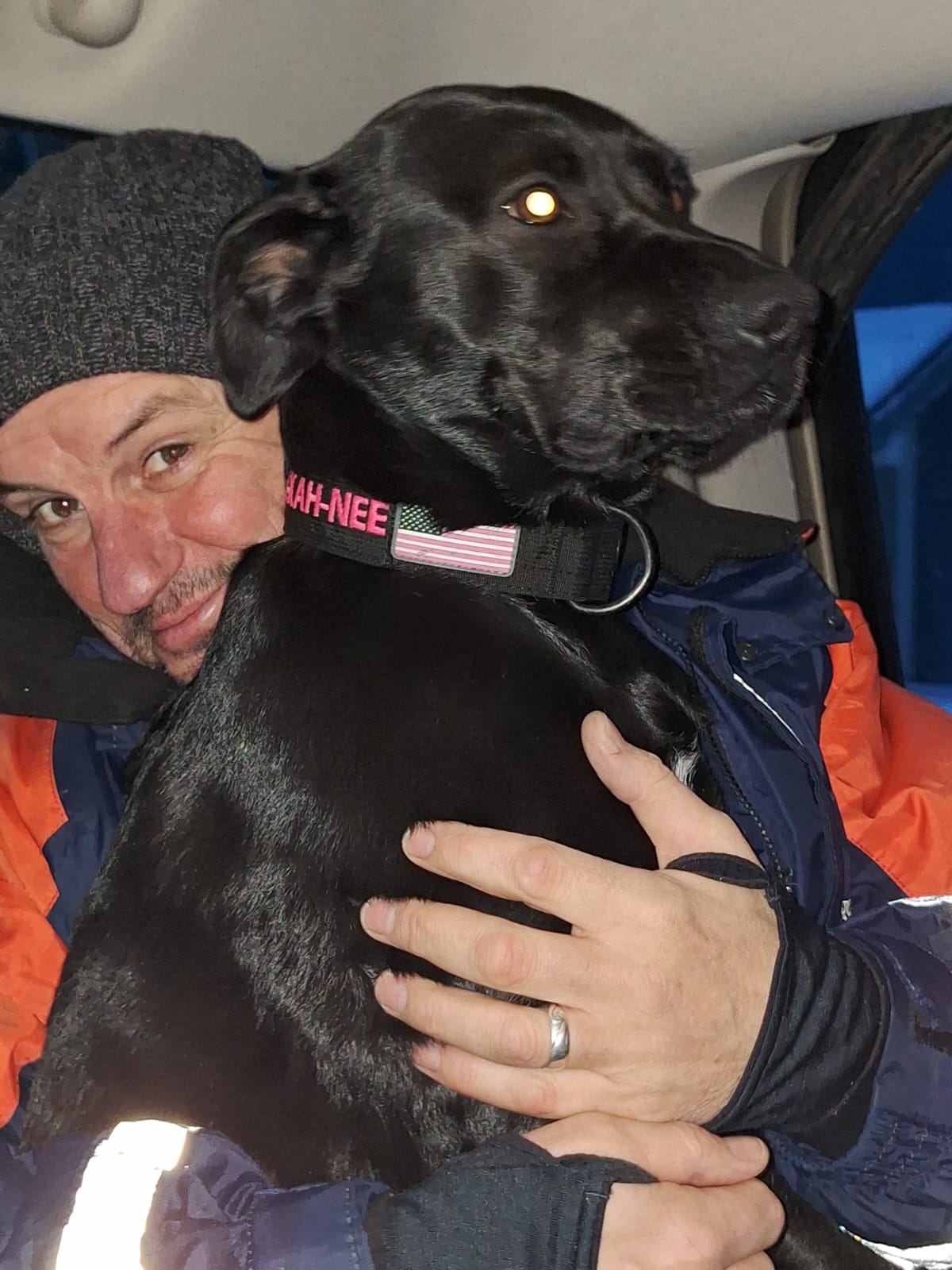
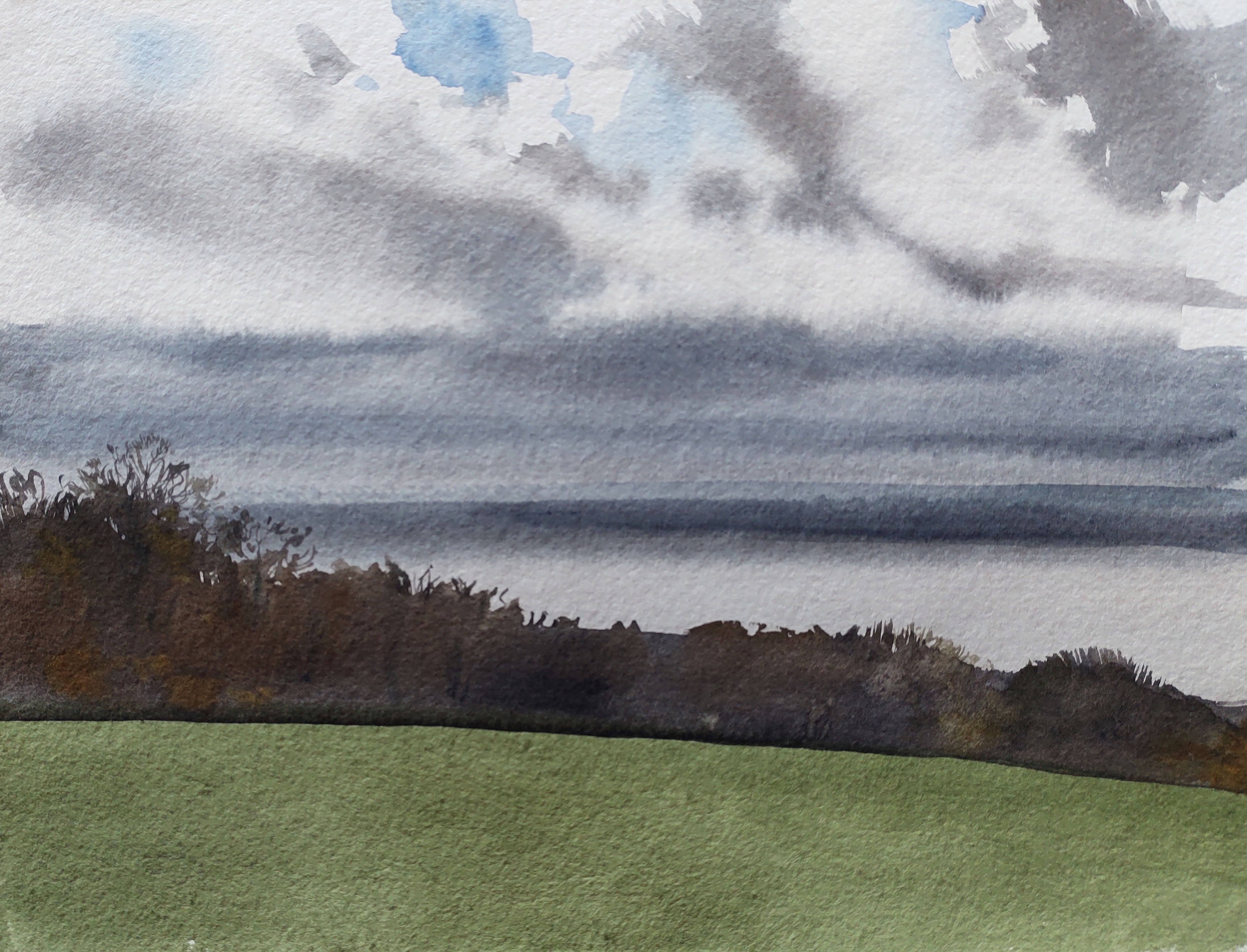
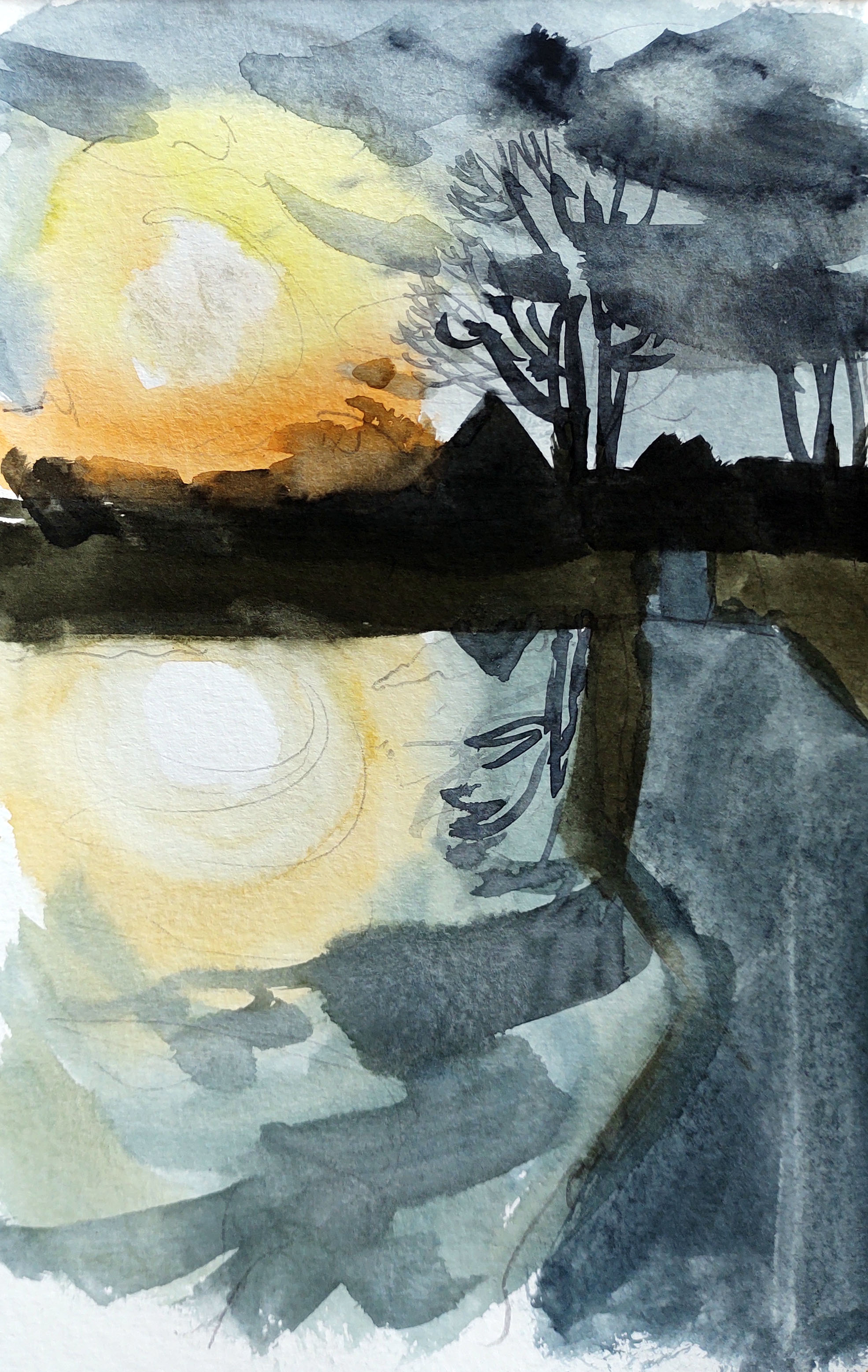
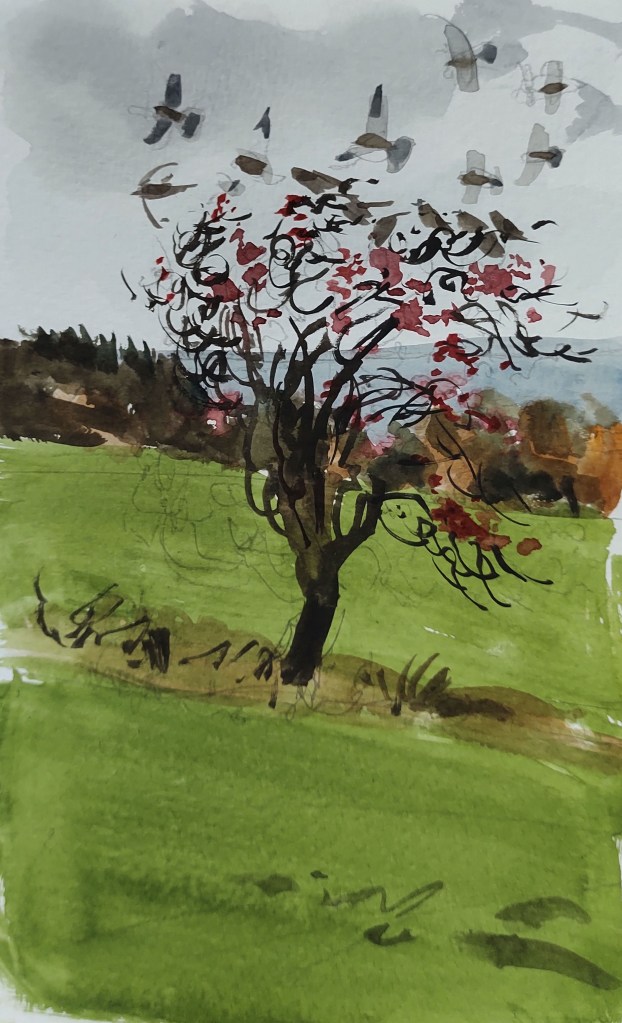
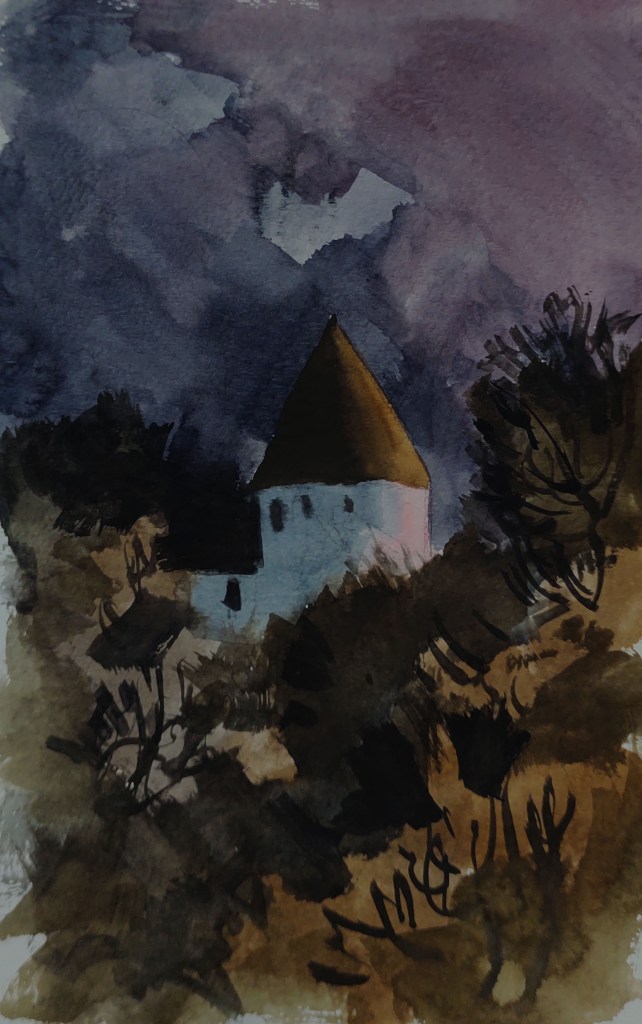
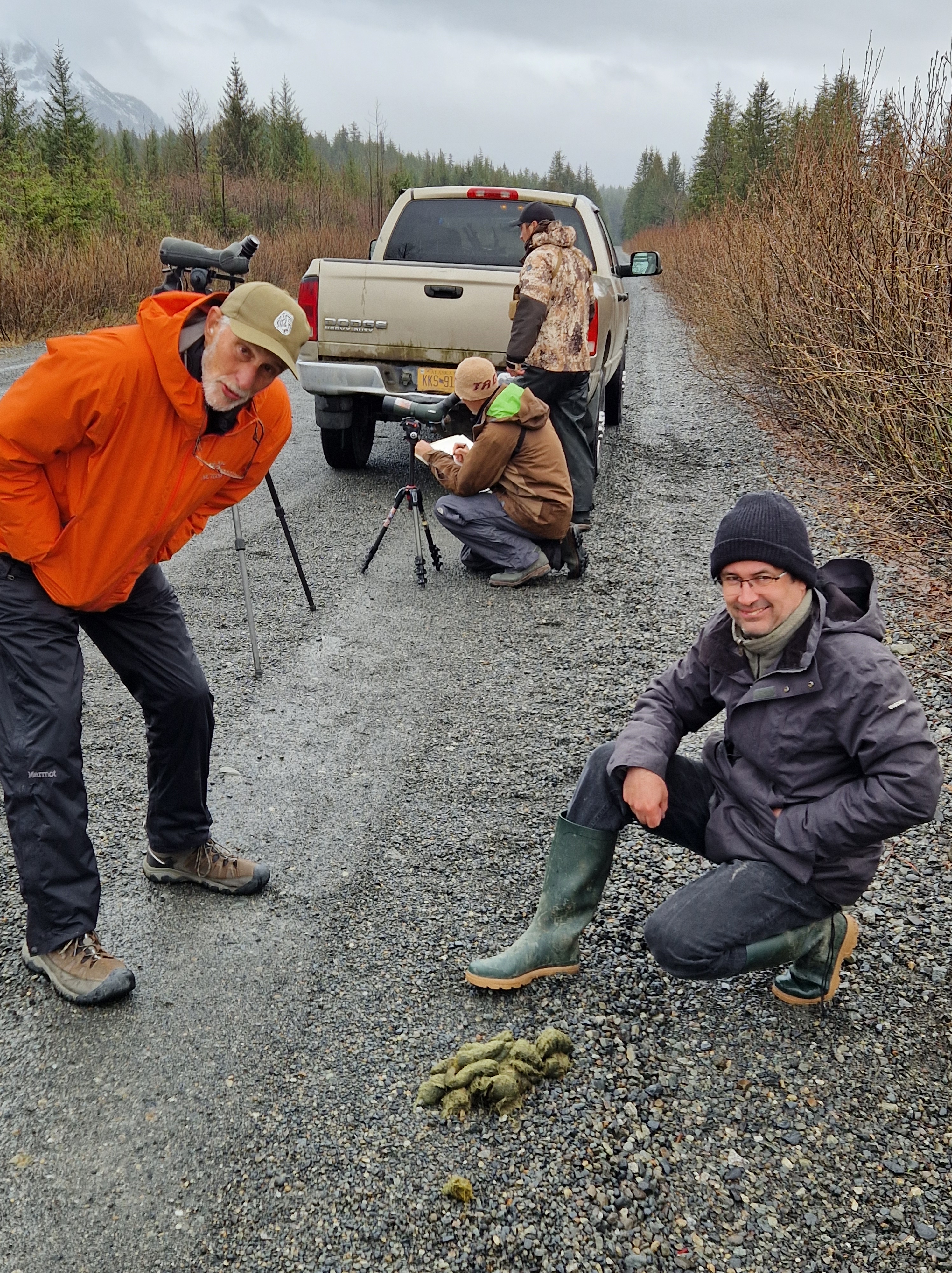
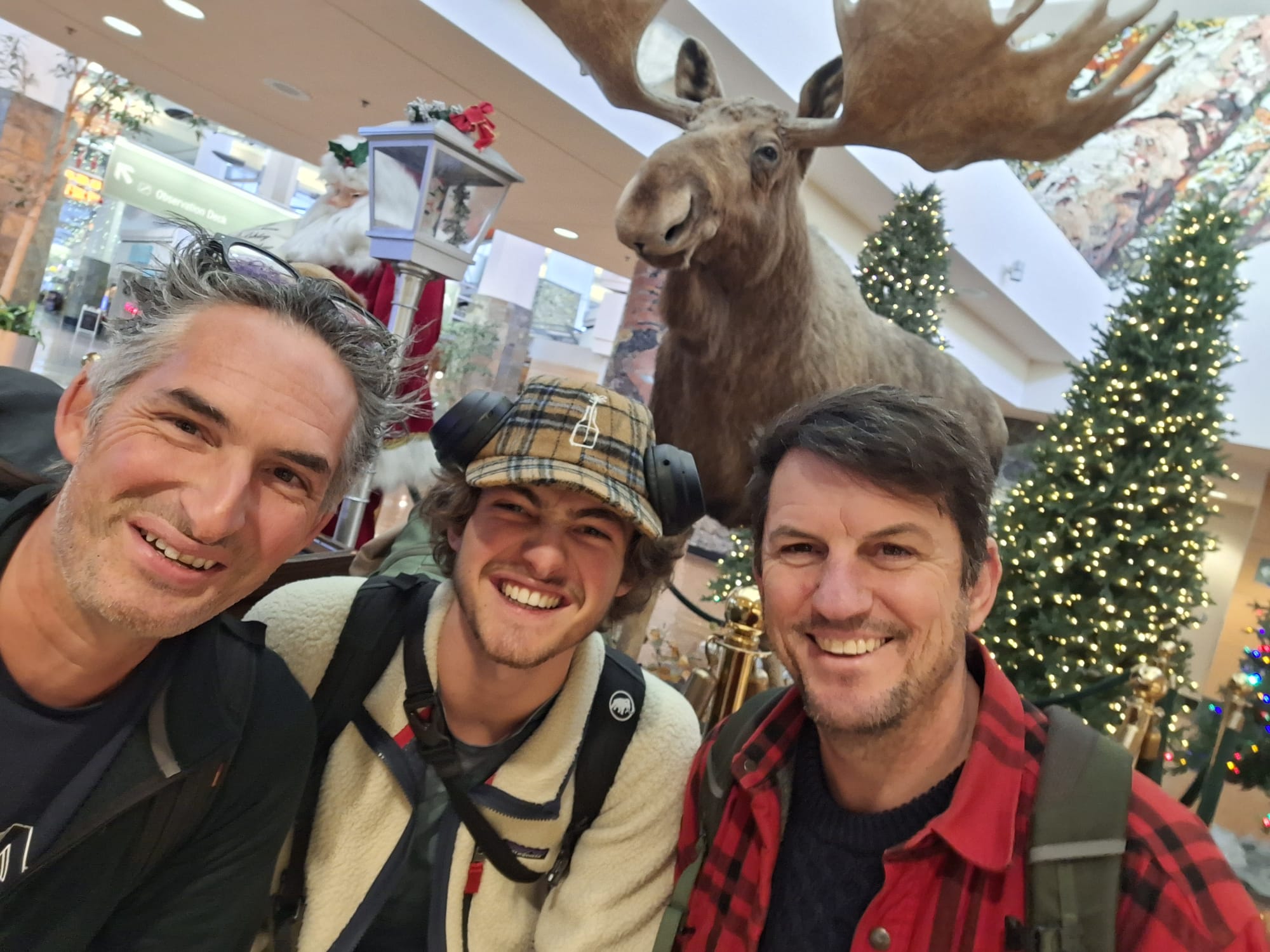
A couple of years ago, out of the blue, Ysbrand Brouwers of the ANF (Artists for Nature Foundation) called and asked me whether I would be interested in an all-expenses-paid trip to Alaska in May 2025, to paint the wildlife and landscape of the Copper River Delta – one of the most diverse and untouched marine and wetland ecosystems in the world. It wasn’t a difficult decision to make, and that initial conversation resulted in two separate trips to Cordova, Alaska, in May 2025 and then January 2026. (image below, photo credit: M G Whittingham)
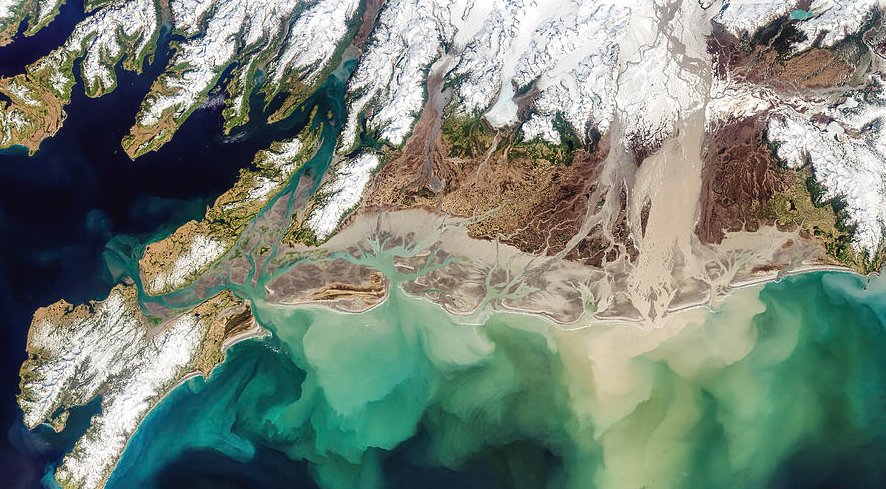
‘The Heartbeat and Lifeblood of an Alaskan Rainforest’ is the official name of the project, a collaboration between the ANF, headed by Ysbrand Brouwers, and the Native Conservancy (NC), headed by Dune Lankard, an Eyak elder. The project is built on the success of an earlier ANF collaboration with Dune in 1998 (with participation from many SWLA artists).

As Dune and other project support staff explained soon after we touched down in Cordova, the natural resources of the Copper River and Prince William Sound area have been (over-) exploited for hundreds of years: sea otter fur traders from Russia, gold prospectors from the US, the development of salmon and oyster fisheries, industrial copper mines and industrial oil extraction. Add to this the great Alaskan earthquake of 1964, and the Exxon Valdez oil disaster in 1989, and it is easy to imagine how these fragile ecosystems have been under severe pressure.
Likewise, the native communities have struggled to maintain their way of life. The Eyak were the original inhabitants of the Cordova region, sandwiched between the Chugach and Tlingit peoples, and they struggled to adapt to the changes the 20th century brought to the region, losing their last speaker in 2015. Nevertheless, the remaining Eyak still maintain a cultural polity, together with an awareness of the importance of an ecologically sustainable lifestyle, based around subsistence hunting, the harvesting of wild salmon and, latterly, kelp farming.

Dune explained how the 1998 project book had been an invaluable tool of environmental advocacy for the NC in their efforts to ‘protect ancestral land, revive ocean abundance, and support thriving Indigenous communities’. But now, according to Dune, the region was facing a whole new raft of environmental challenges and threats, and it was time for a new project, with new eyes and fresh interpretations. Ysbrand and ANF VP Bruce Pearson visited Cordova in 2024 and finalised the collaboration with the NC: this new project would take the form of four separate artists’ residencies, and result in a book, a travelling exhibition, and a short documentary film. The project would aim to ‘provide an inspirational portrait of the biodiversity and historical significance of the region…and build political/cultural consensus to repatriate Indigenous ancestral lands…’

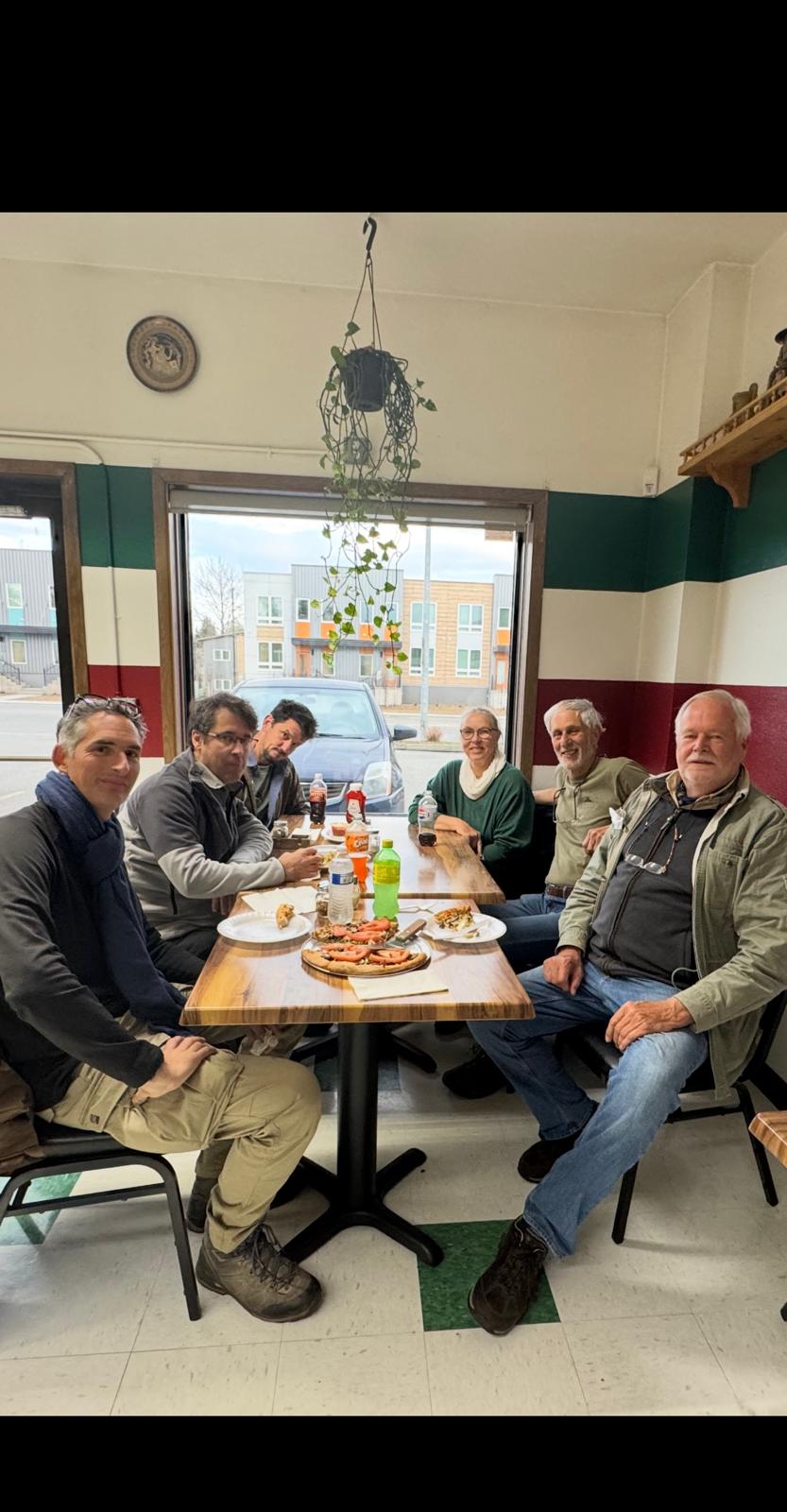
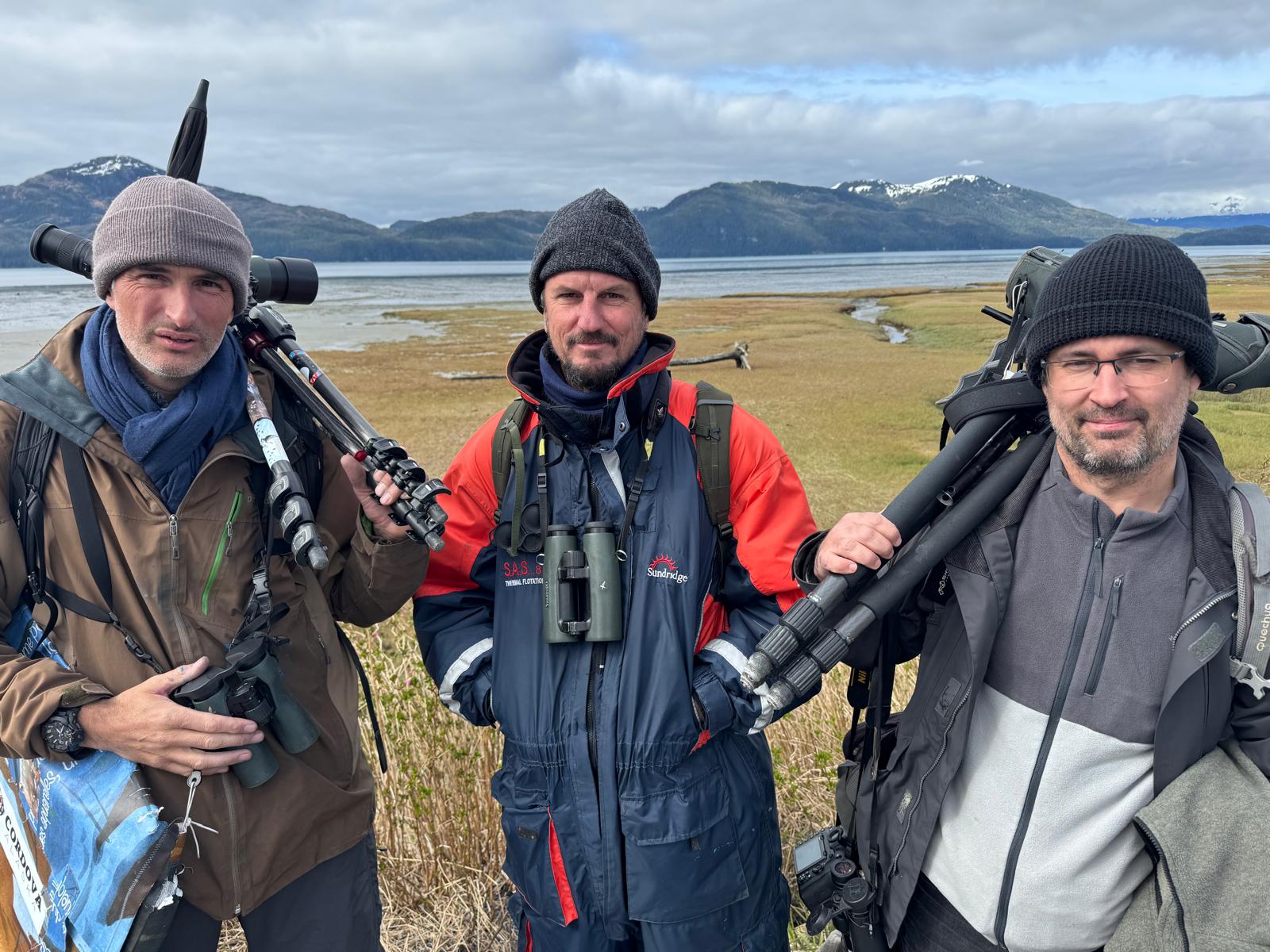
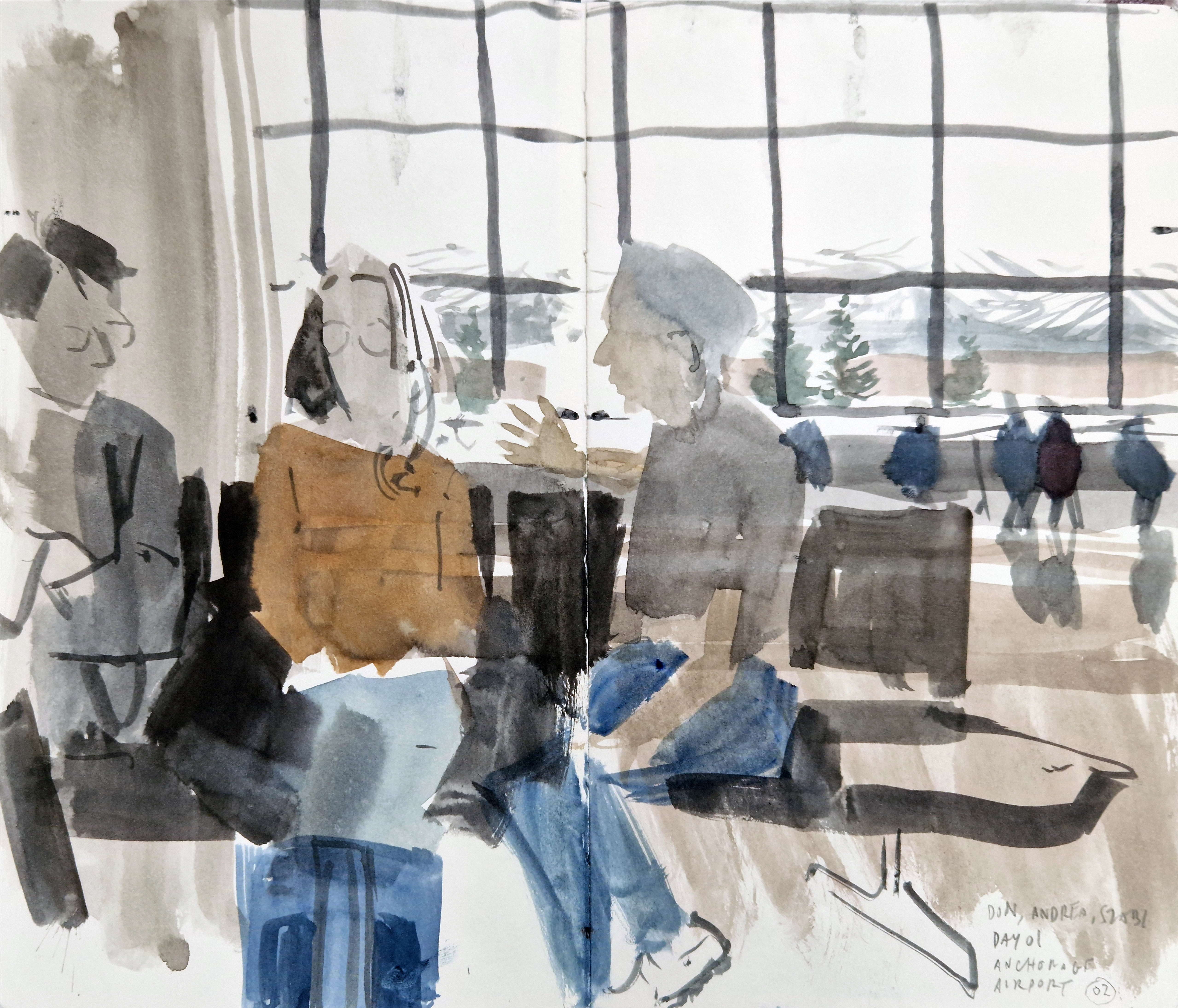
So here I was in May 2025, with Andrea Rich (SWLA), Kokay Szabolcs (SWLA), and Laurent Willenegger, listening to Dune’s inspirational speech. We were guests of the Native Conservancy at Eyak Lodge, on the shores of Eyak Lake, surrounded by snow-capped mountains, with the yikkering calls of bald eagles echoing off the forested valleys. There was a whole team supporting us: Robert Massolini, our gun-wielding guide, drove us around to some amazing locations and kept us safe from hungry bears. Yoshi in the lodge kept us incredibly well fed, and Dune, April, and David Grimes kept us entertained and informed, with their anecdotes, stories, and tales of environmental activism.
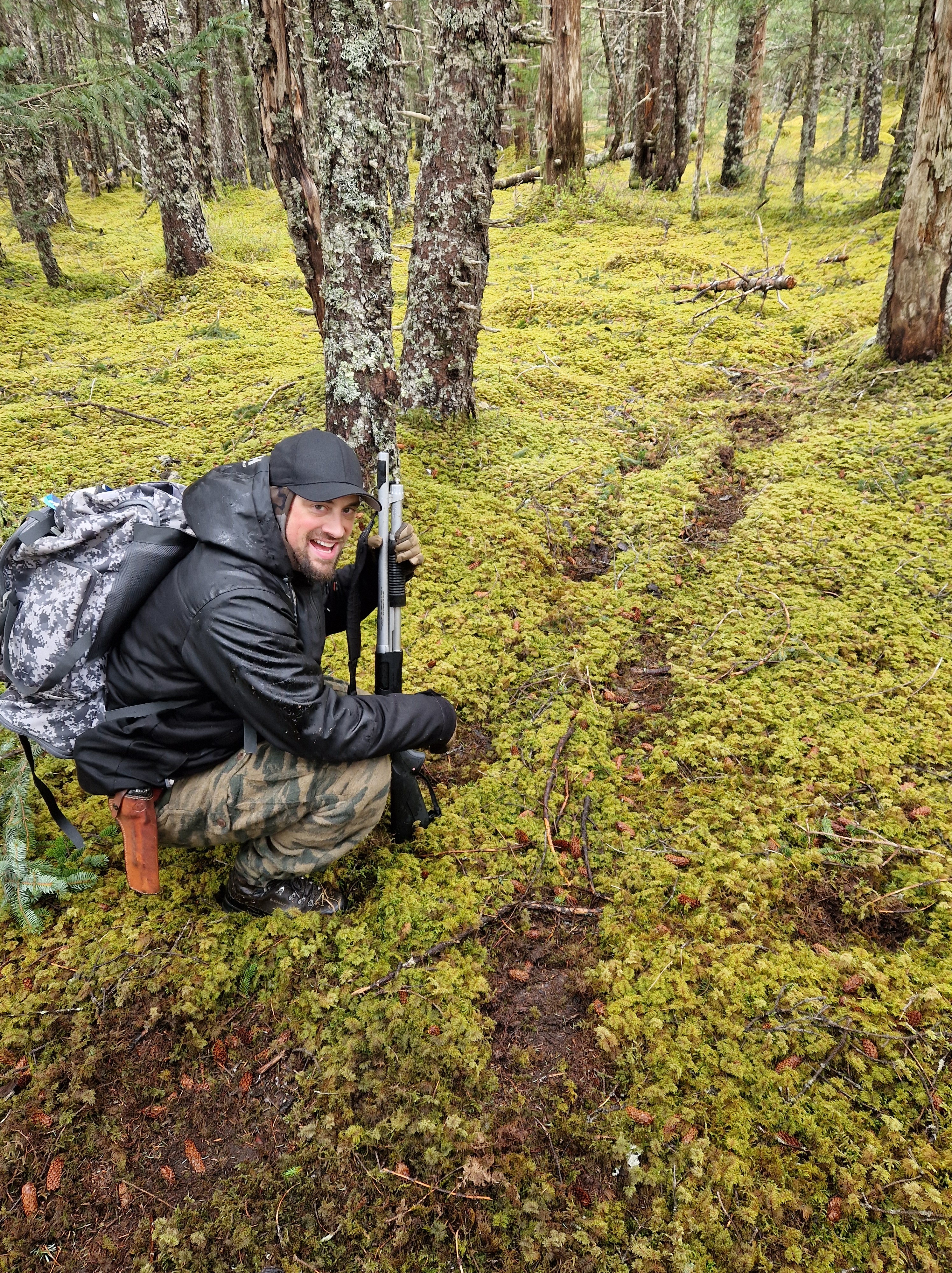
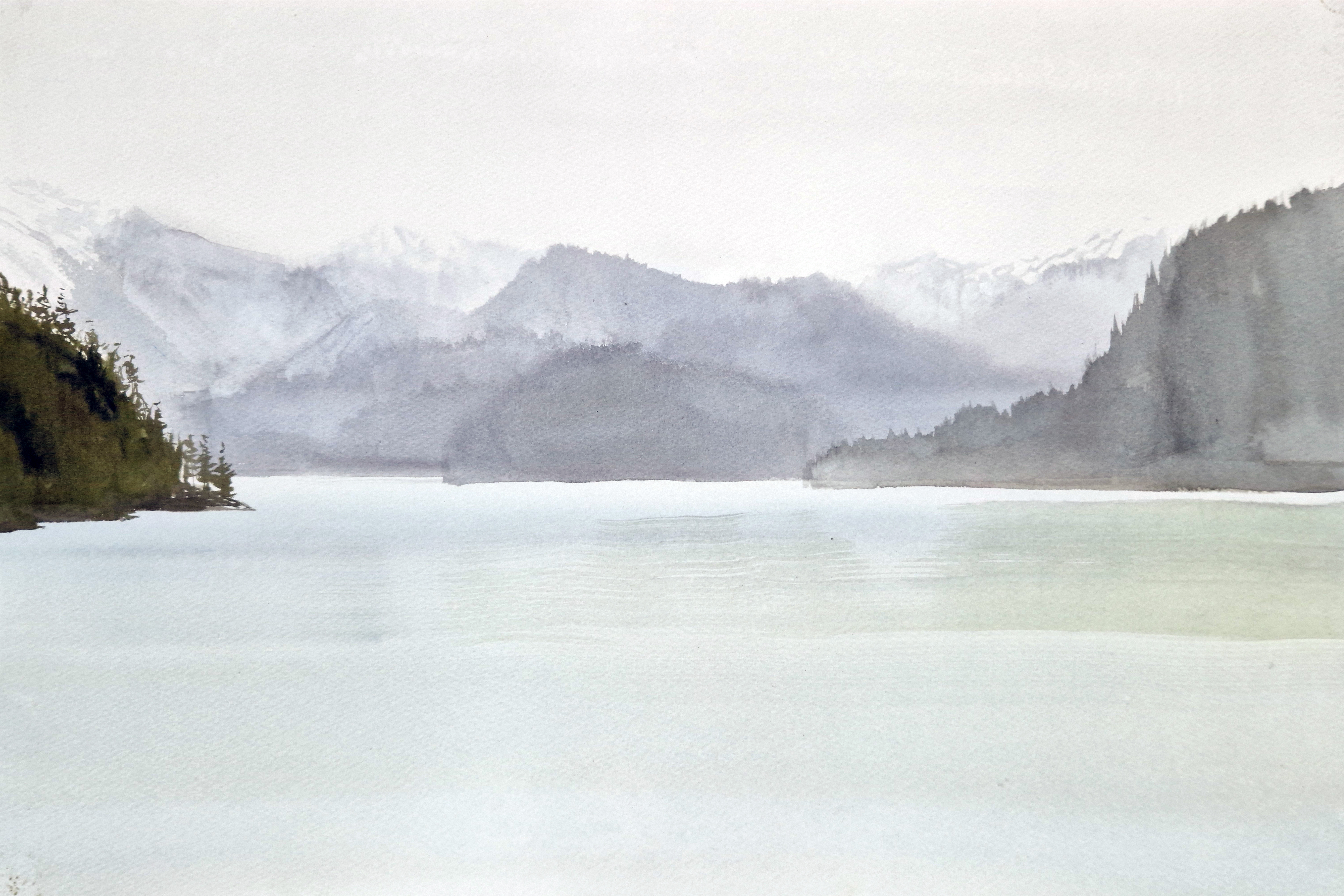
For us artists, all we had to do was…paint. What a dream, to be fed and watered, and then ferried around to some of the most stunning places I have ever seen! We visited iceberg-filled glacial lakes, moss-covered muskeg forests, and swampy riverine wetlands. We took a tiny aircraft over a glacier, a boat down the river to the delta, and paddled kayaks between tiny, deserted islands. We saw bears, moose, mountain goats, and all sorts of birds.

There were challenges, of course. The Copper River Delta region is wet. Very, very wet. The region is defined by precipitation in one form or another: constant rain and snow throughout the year, with streams, rivers, and glaciers cutting myriad trails through the landscape, and carrying silt, minerals, and nutrients into the ocean. For the whole of the first week, we awoke to the sound of driving rain, and struggled to produce work, huddled beneath tarps. But we were out every day, dawn to dusk, and our spirits were never dampened. For the second week the rain eased a little, we enjoyed several days of glorious sun. As ever it was inspirational to watch and learn from my fellow artists – we were a remarkably diverse group with different ways of tackling the landscape and wildlife, which only made it even more interesting for me.
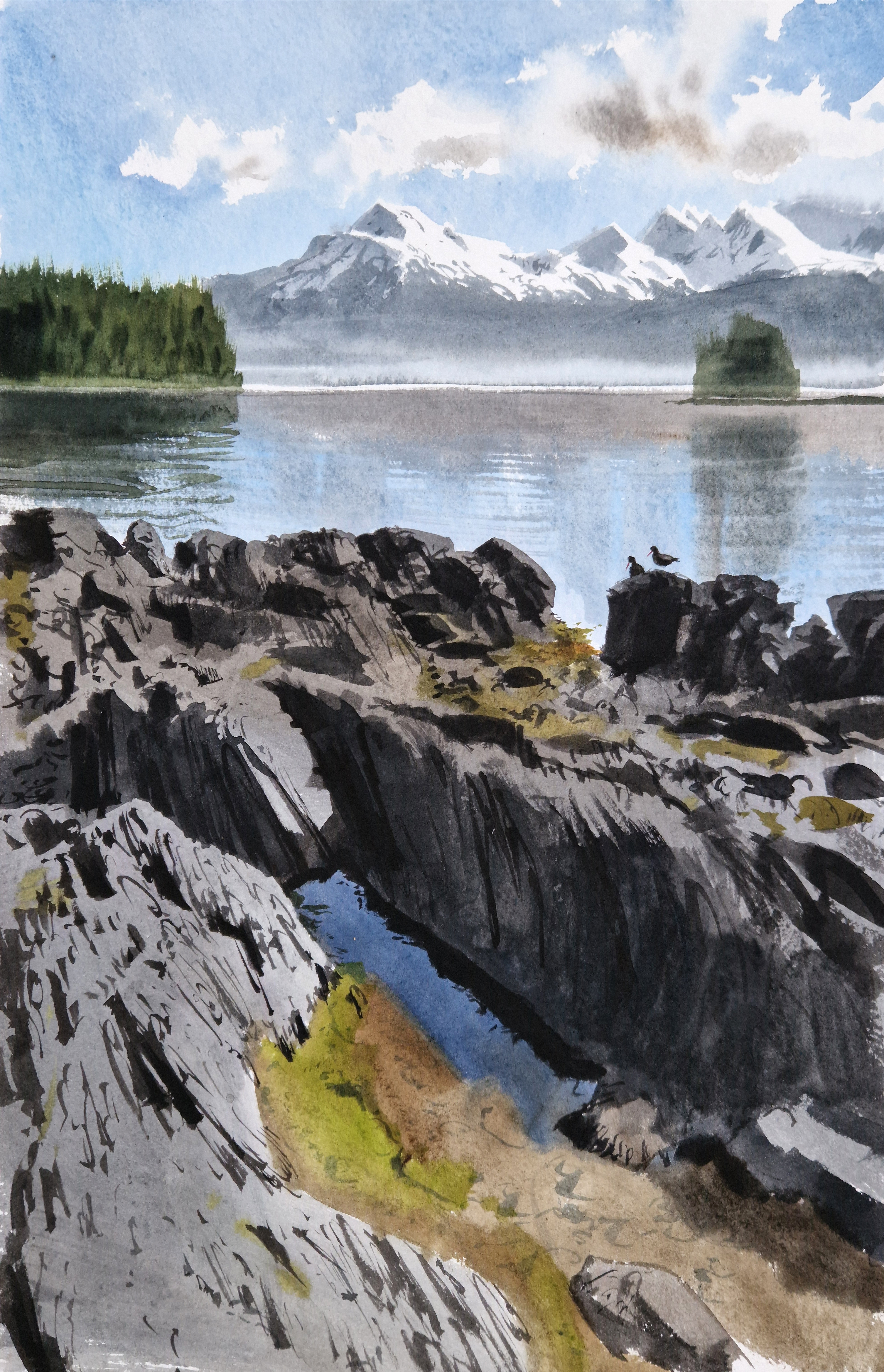
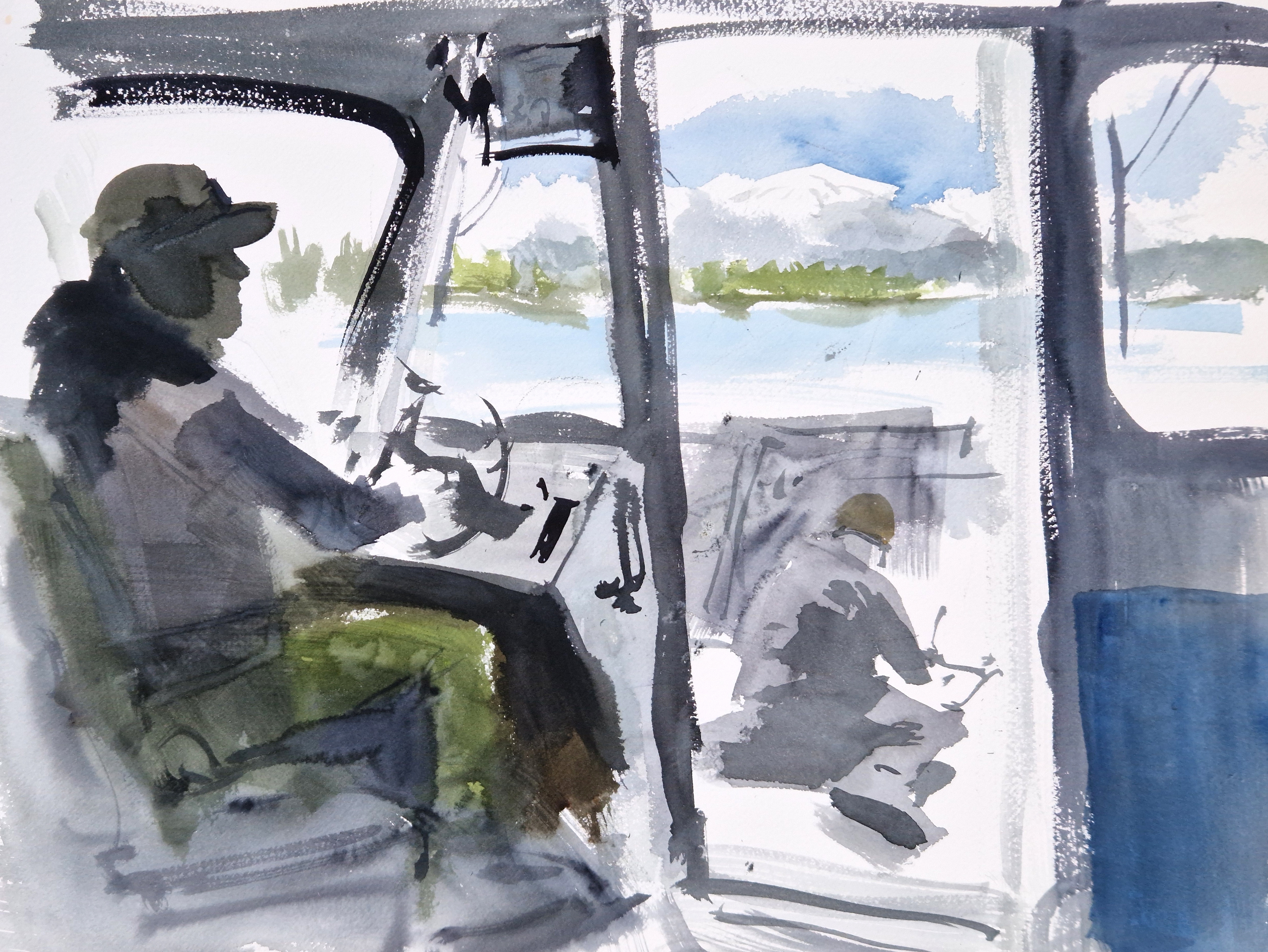
In August 2025, a second residency took place, with Barry Van Dusen (SWLA), Siemen Dykstra, Paschalis Dougalis, and Roseanne Guille. Despite the rain – and mosquitoes – this group produced amazing work, concentrating particularly on the salmon runs, Sea Otter Island, and Childs Glacier.

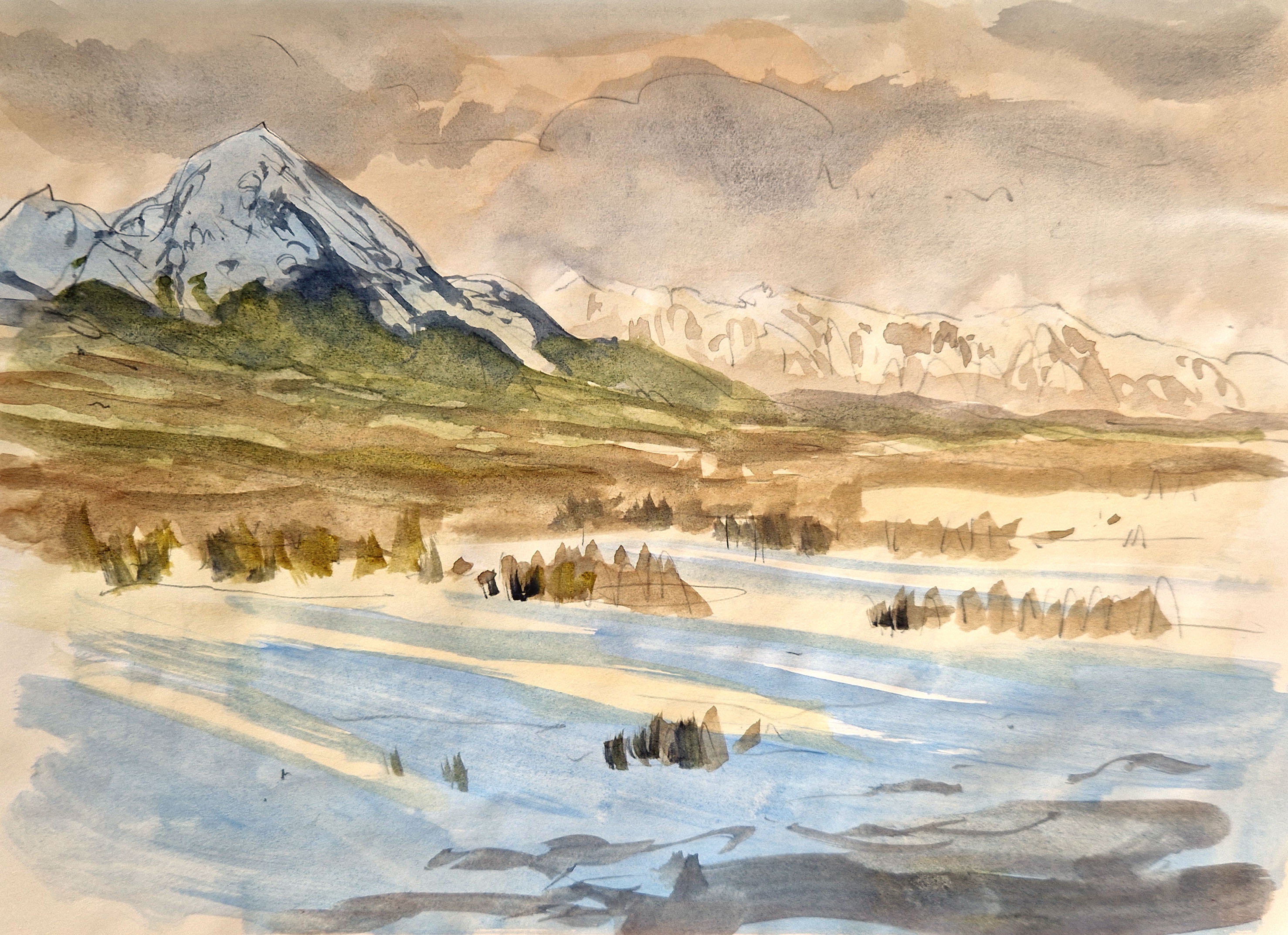
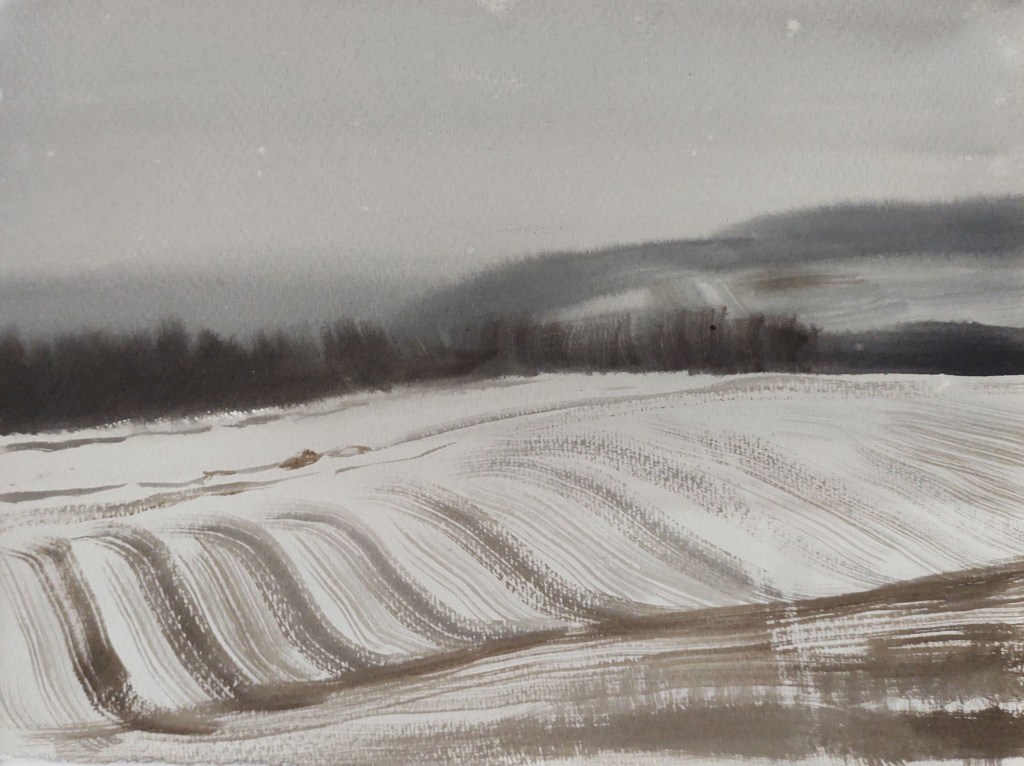
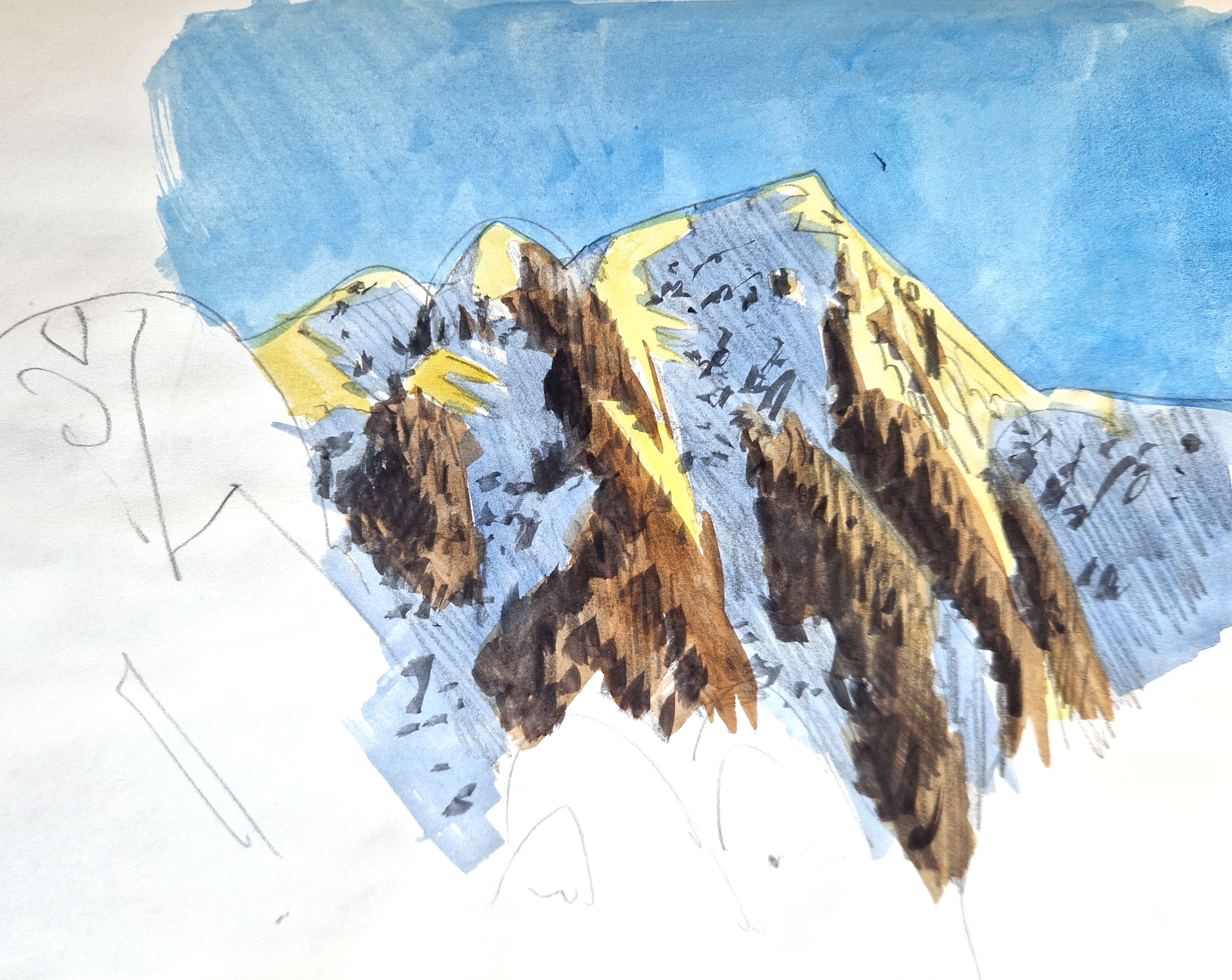
It wasn’t until I was home again, that Ysbrand invited Laurent Willenegger and me back to Cordova for the January 2026 residency. How could I resist? This time it would be a little different: just us two artists (and Laurent’s son Jolan, who would be recording footage) staying at local artist Denis Keogh’s house. Arriving at Cordova’s tiny airport in minus 25 degrees Celsius, we were met by Denis and our guide Robert, and whisked off straight away to the winter wonderland of Sheridan Lake – frozen solid and filled with giant turquoise-blue bergs, with the glacier snow-capped peaks as a backdrop.
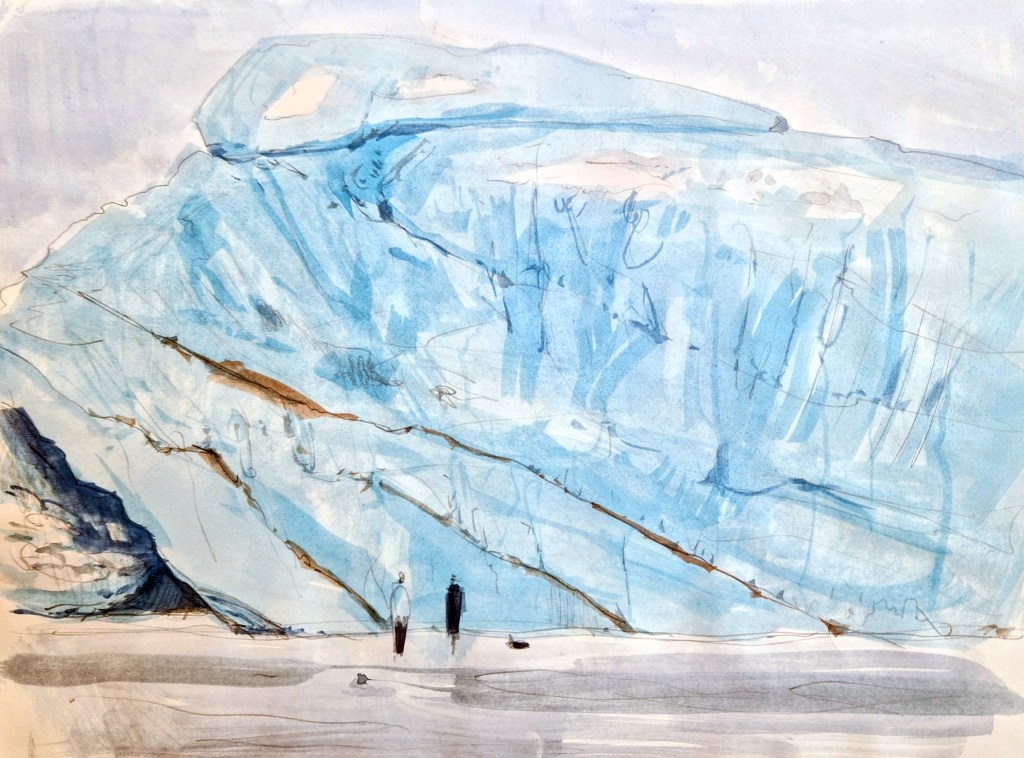
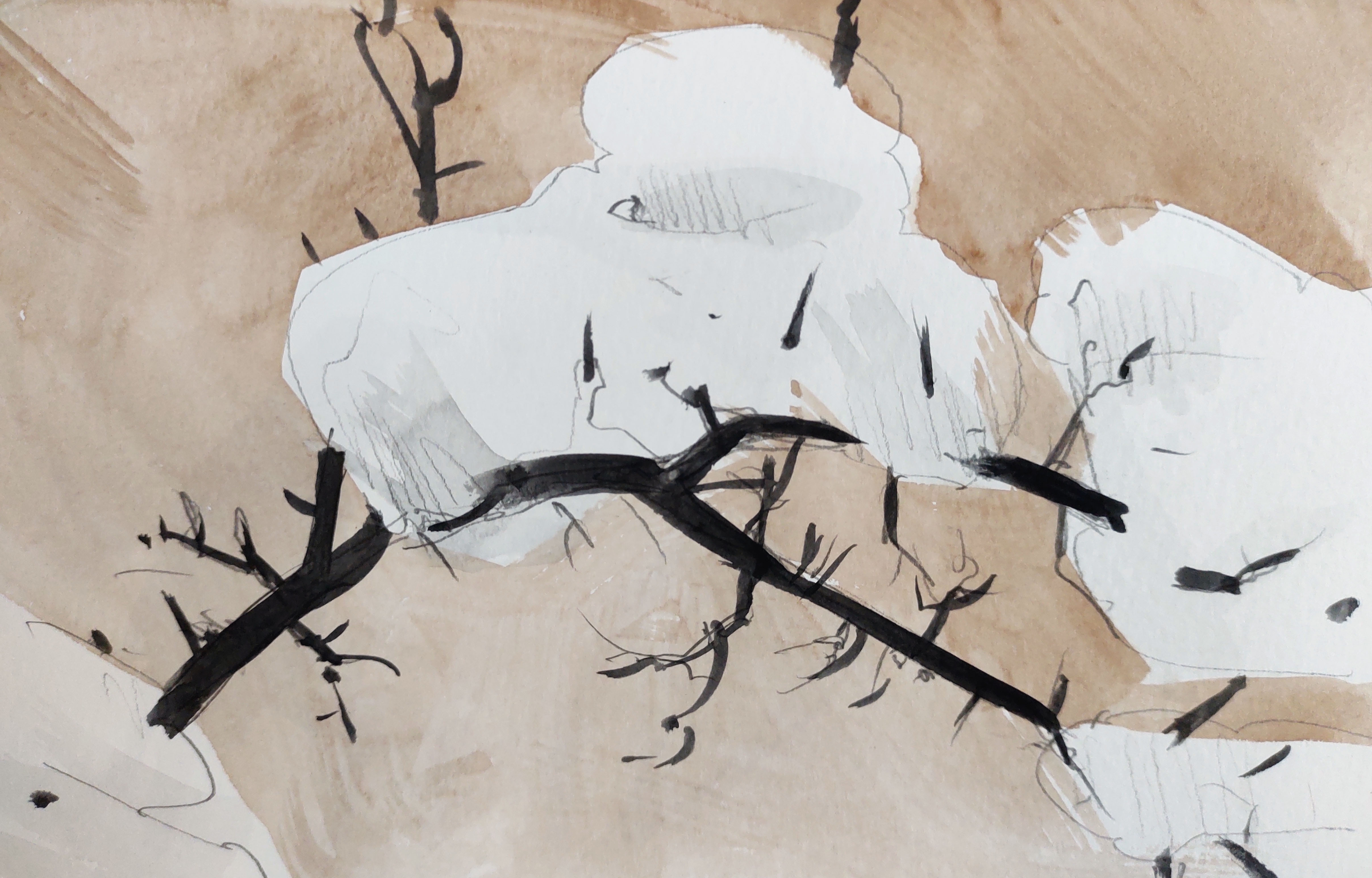
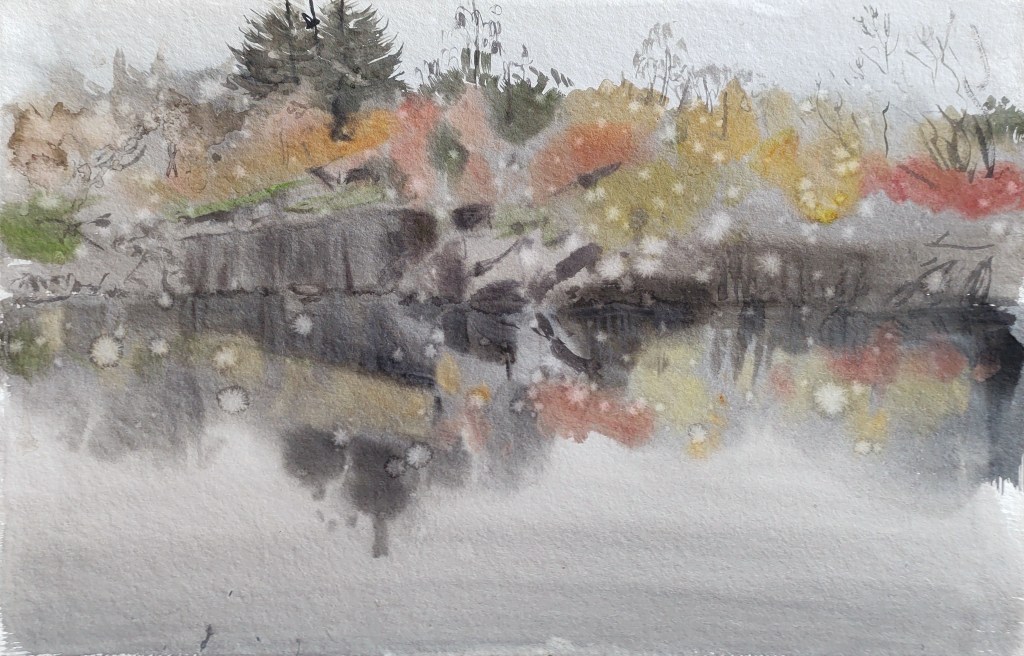
We settled quickly into our working routine. Starting the day with a hearty cooked breakfast, we packed our gear, put on our multitude of layers, and headed out for the entire day: painting and looking for wildlife. Back at nightfall, more fantastic grub, then straight to bed for a well-earned rest. The weather was, of course, challenging: I had constructed a painting box with a built-in warming pad in order to keep my paints and brushes from freezing, but quickly found out that under -15 degrees, the paper itself froze solid, making any sort of work nigh impossible. For several days, it hovered around minus 5, and I was able to work with, and indeed encourage, the freezing and crystallisation of the paint within the surface of the paper.

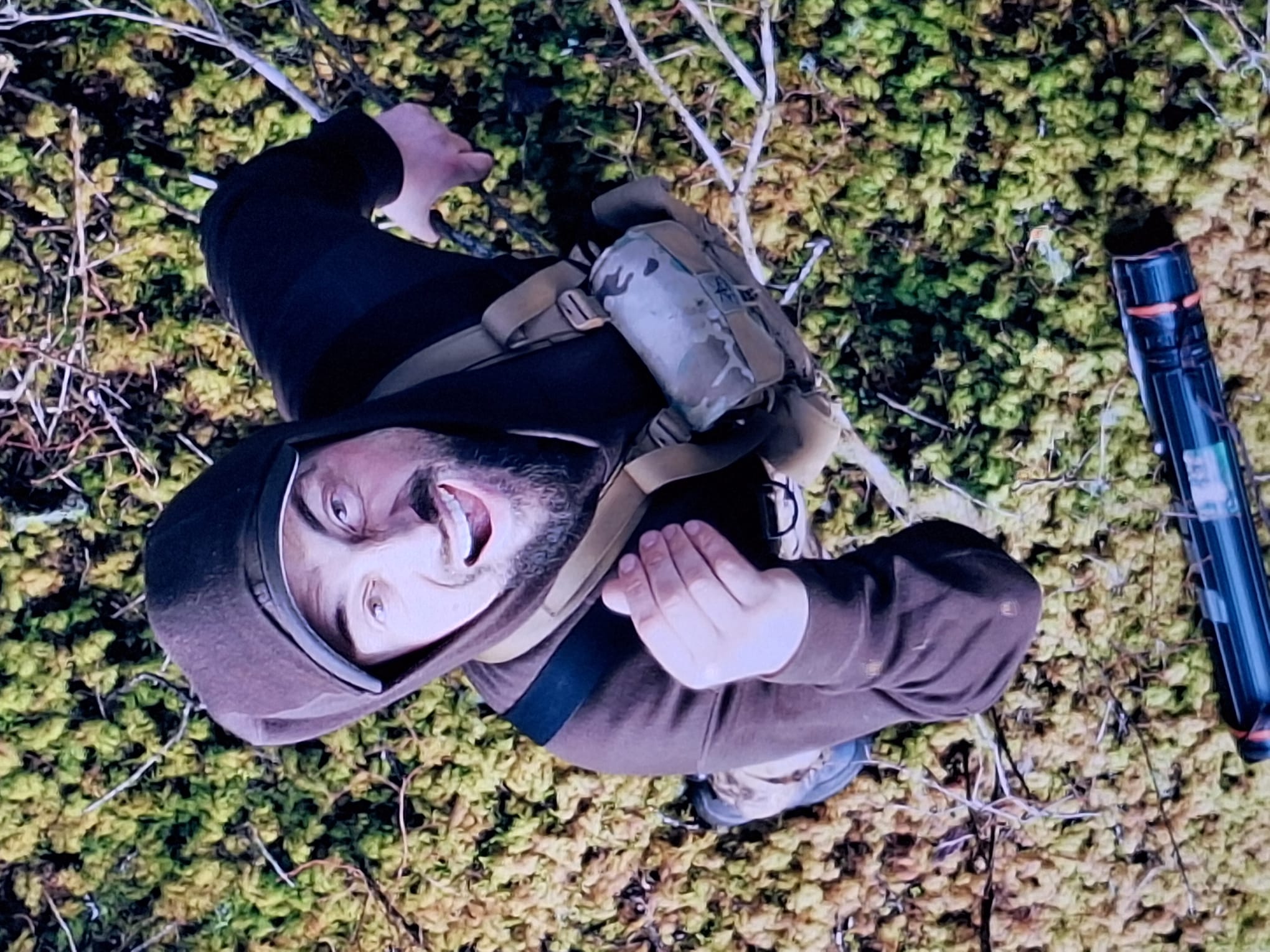
Laurent mixed in vodka to keep his paints from freezing, though he struggled too with the more extreme temperatures. I was really glad to have the company of someone who loved painting outside as much as I do, and I appreciated his expert tracking and observation skills – honed in the mountains of his native Switzerland. Jolan’s footage was also a revelation: like a third eye, his drone soared over the landscape and approached the moose and mountain goats that we saw only as distant shapes through our telescopes.
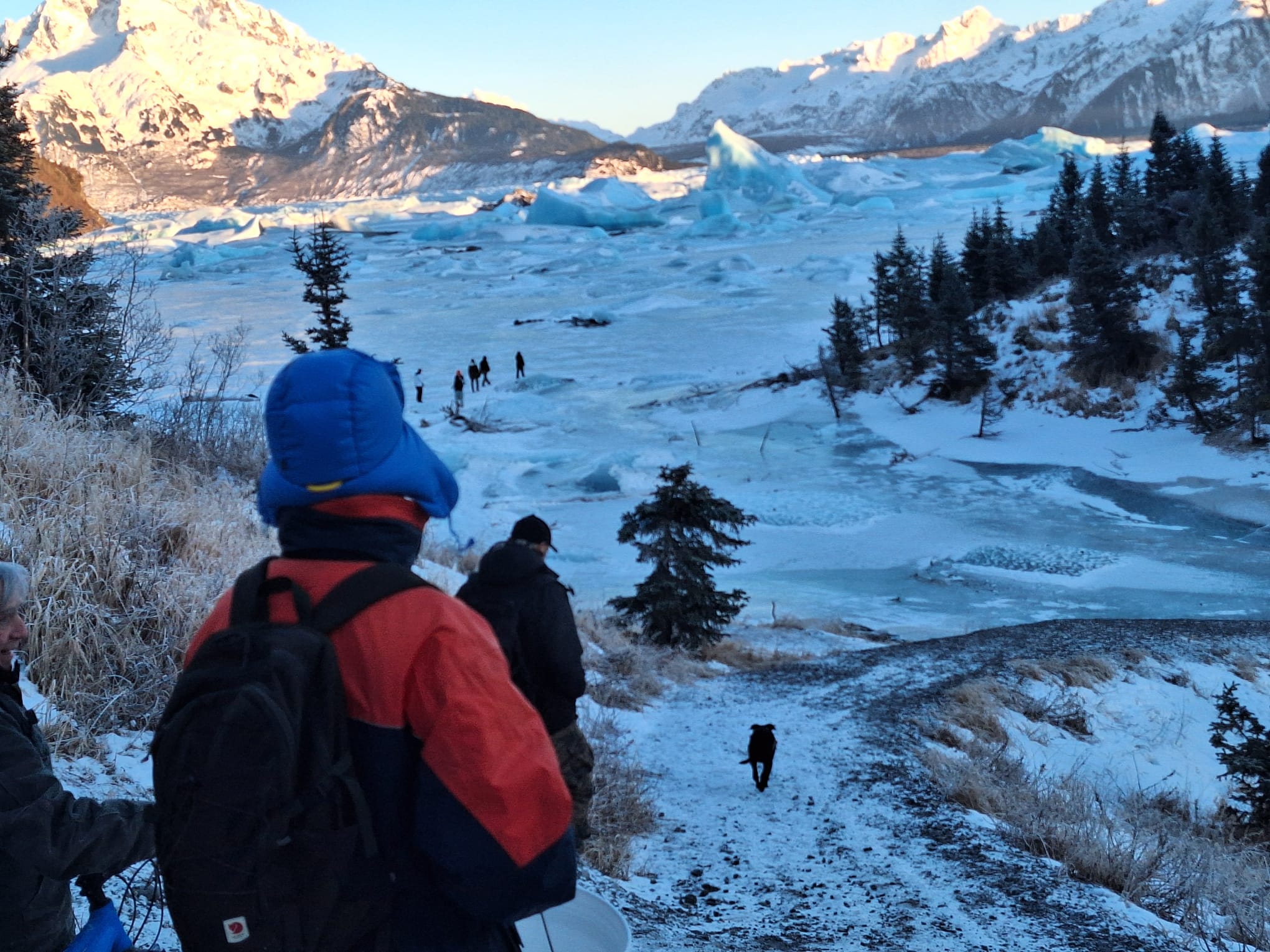
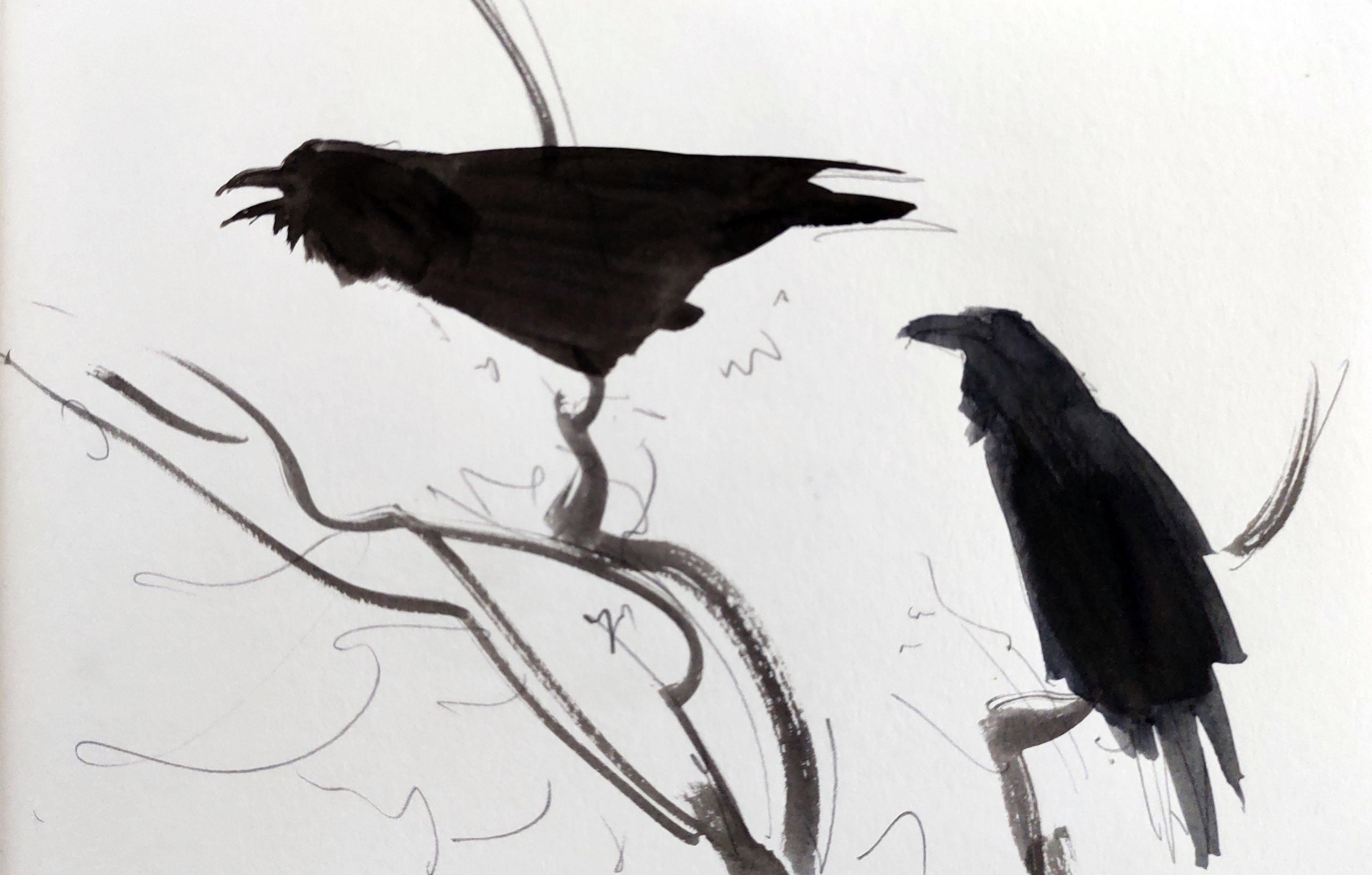
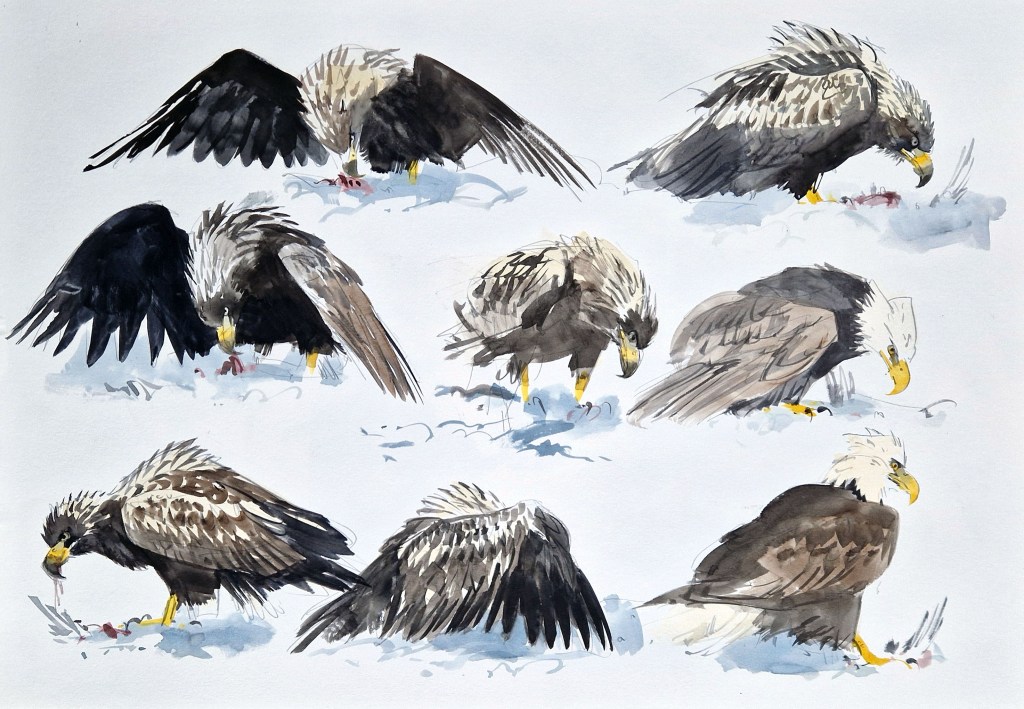
For several days the temperature reached 4 degrees Celsius, and it rained. We hid under bridges and painted the frozen wilderness. It was difficult to see wildlife, but every encounter was so much more intense because of that. We saw distant moose drifting through the brush, and the last of the year’s silver salmon gathered in the streams: blind ‘zombie fish’ waiting to be picked off by eagles, otters, or coyotes. We sketched some bald eagles fighting over the remains of a duck by the side of a river: one young eagle was gravely injured and didn’t make it. The winter in Alaska is savage, and survival is balanced on a knife-edge.
My time by the Copper River Delta in Alaska has left me with a rather paradoxical impression. On the one hand, I felt touched by the raw wildness of it all: the vast open spaces, soaring mountains, and untouched wilderness: I had the wonderful feeling of being a spectator, witnessing the wildlife just getting on with their savage and beautiful lives. On the other hand, however, I felt somehow closer to man’s destructive forces: faced with the reality of the retreating glaciers, the ongoing threat of forestry, mining and oil extraction, the constant Trump-tainted conversations with our hosts. Everything is big in Alaksa: big wilderness, with correspondingly big problems. My little Danish island suddenly felt small and inconsequential.

Stopping in Anchorage on our way home, we took a trip downtown and visited the fantastic (and well-funded) museum filled with incredible ethnographica and art. Outside, in the freezing ice-covered city, groups of homeless Native Alaskans listlessly paced the streets back and forth, some drunk or high, and literally keeling over before us – and I couldn’t help but be reminded of the condemned silver salmon I had seen gathering in the eddies of Power Creek just a few days previously. Again, I was keenly aware of how superficial my visit had been, and how I had only begun to scratch the surface of the enormously complicated cultural, political, and environmental reality of 21st-century Alaska.
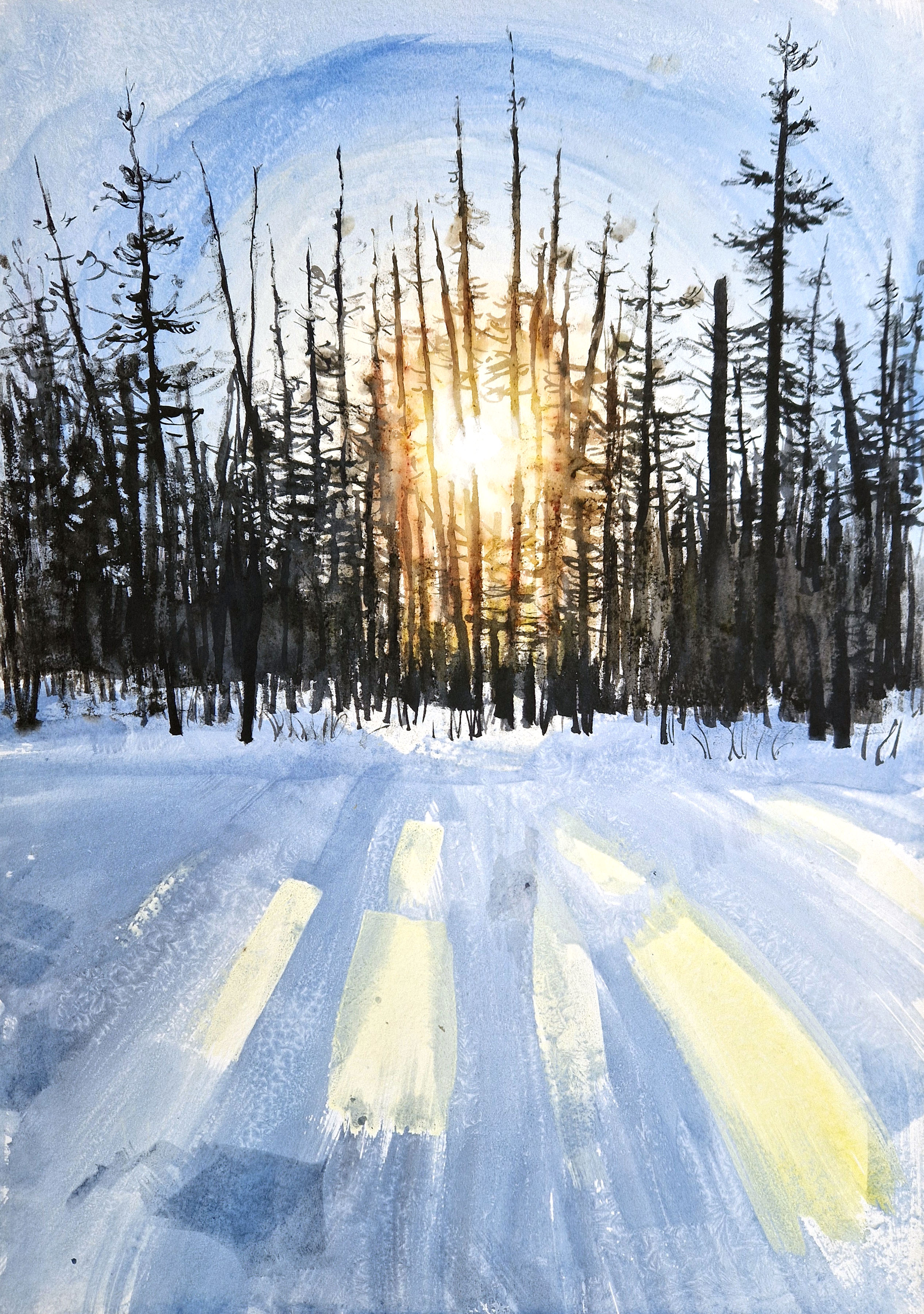
Most of all, however, when I think back to my two residencies in Cordova, I think of the great people I met and shared time with, and the incredible generosity of Dune, April and the Native Conservancy, as well as all the support of the local people. I can’t wait to see what the artists on the fourth residency come up with, and how the book, exhibition and/or film might turn out. Every time I felt despondent about the state of affairs, something would happen or someone say something to give me hope – thank you Cordova!

ps – if you’ve made it this far, you may be interested in looking at some more images from the residencies here
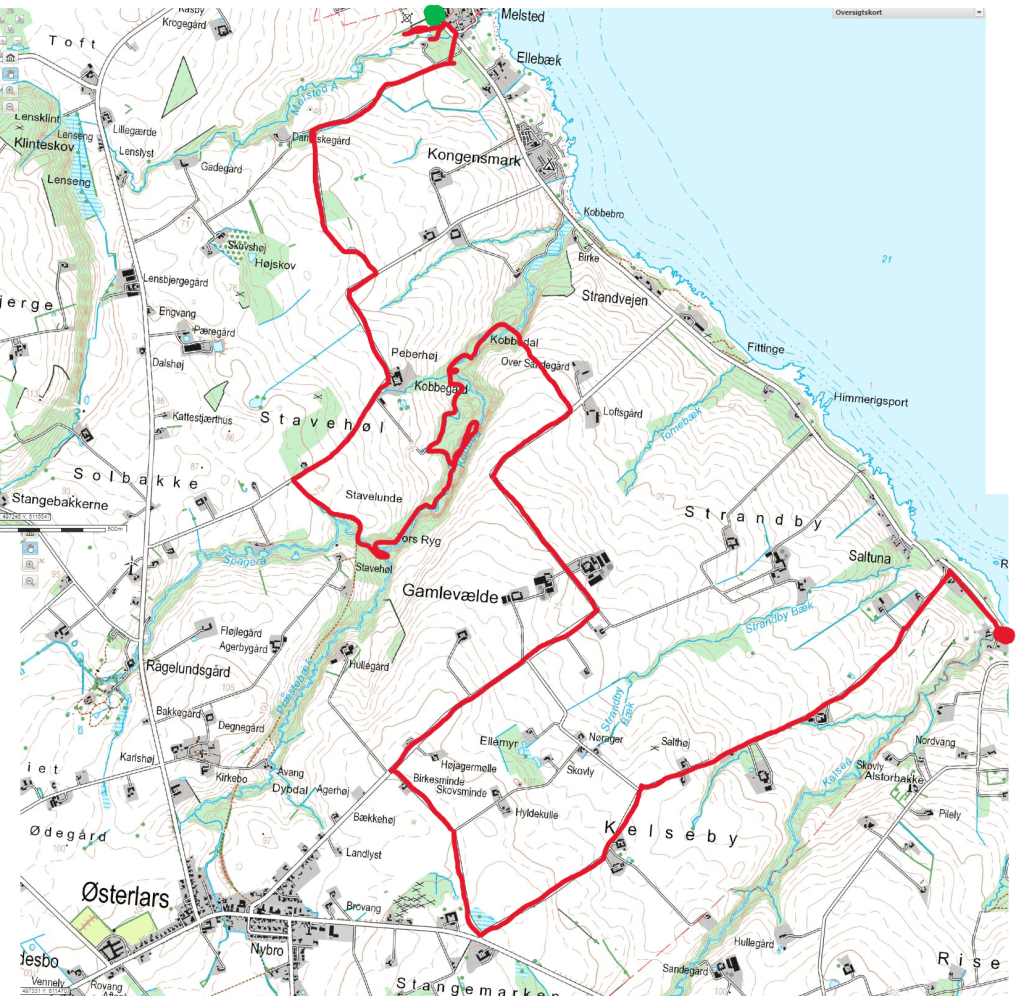
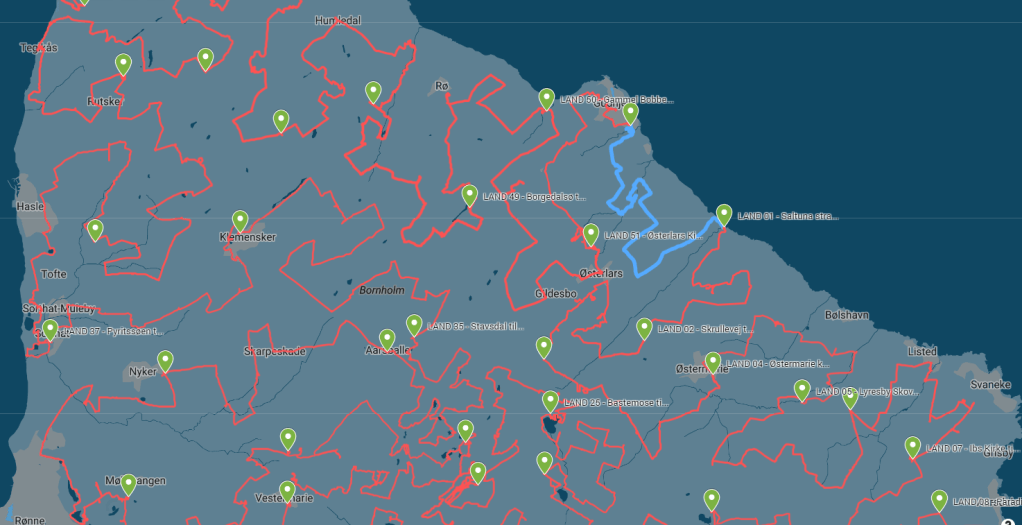
LAND 52 – Melsted Mill to Saltuna Beach, 29.12.23

Denne side på dansk

LAND 52 The final LAND trip. Dark skies, a howling gale, and horizontal face-stinging rain. Above me hundreds of jackdaws and rooks roused noisily from their slumber and congregated in the tops of the naked, wind-swaying trees.

Melsted

I tried to find the path that followed the Melsted Stream, but the way was too waterlogged, and I was forced to turn back and take the road instead. I headed uphill into the teeth of the gale, past sodden fields, leaning into the wind at what felt like a ridiculous angle.  The rain turned to hail, and I was glad, truly glad, that this was the last LAND trip.

Looking south from Melstedvej

The skies were full of energy, as wave after wave of rain passed through the island and onwards over the boiling Baltic Sea. In one of the rain pauses I got started on a painting, but had to abort as the rain returned, my umbrella useless in the gusting wind.

Looking East from Kobbevej

Eventually I reached the relative shelter of the Kobbe stream rift valley, where I sketched the thunderous Stavehøl waterfall and the old railway tunnel.

The stream was in full spate, a roaring cappuccino torrent, cutting through the steep-sided wooded valley. Never before had I seen so much water on Bornholm.

Kobbe stream

The usual path along the stream’s edge had been replaced by one further up the valley edge, which I followed for a while, before cutting back down to the stream. Several times, however, I was forced to make my own way through the muddy valley sides, as the path was completely flooded.

Eventually it all got too much and I was unable to carry on further downstream, choosing instead to cut across a field and join the road – once more heading northwest into the full force of the gale. I walked up and away from the coast across a very exposed landscape of large fields and industrial farms and silos. To the north and west I could see in the distance Gudhjem, Østerlars Round church, Lens Klint and all the land I had been walking through over the past month or two. To the south and east I could see Østermarie, Svaneke and the places through which I passed at the beginning of the year. I had a strong sensation of connecting time and space, of completing the circle.

I hid behind a hedge and painted quickly in a rain pause.

View from Højagrevej

For the last time, I turned and headed northeast, down to the coast with the wind behind me. The sun was low now and emerging briefly from behind the low clouds.

Kjeldsebyvej I

I continued downhill, filled now with a jumble of thoughts and emotions as the end of the day, the year and the trip became real. Just before I reached the coast the setting sun cast a magical pink light over the landscape. I hunkered down on the edge of a field and made one last painting – before the rain suddenly returned and soaked the paper and the colours ran off the paper.

Kjeldsebyvej II

Somehow it was a fitting end to the project. I trudged on, down to the coast and onto the beach at Kelse å. Here I had started LAND on the sunrise of the 6th of January 52 weeks previously, I recognized the place – the same gunmetal skies, the ochres, browns and greys, the sound of the Kelse stream emptying out into the sea. I had passed through a year, passed through the island landscape – and that was it. I raised a glass. The day was done, the year was done, and LAND was done.

LAND 52

WEATHER REPORT – Heavy rain and hail in the morning, showers in the afternoon. Very windy, Temperature 6 – 7 degrees. Wind 8 – 12 m/s, from the southwest. Hours of precipitation: 4.5 hours. Hours of sunshine: 1,5 hours.

STOPS with the BIVVY – 0

KILOMETRES WALKED – 14.28 km

DAY LASTED – 7 h and 18 m

PEOPLE TALKED TO – 2

BIRDS SEEN and HEARD – 20 species (0 new = 135 species in total)

LESSONS LEARNED – I enjoyed my new sailor suit and working out the best way of using it and its pockets.

IN MY HEAD – ‘Vandskabt Land’ the film – all the Christmas thoughts, the kids, their happiness, biogas and the end of LAND.

LAND 51 – Østerlars Church to Melsted Mill, 22.12.23

Denne side på dansk

LAND 51 I crouched behind the church bell tower, sheltering from the gale that screamed in from the Northwest. I tried to make a quick sketch of the church but struggled mightily with the gusting wind. Inside the church, protected by thick stone walls, I could make out activity and a warm orange light.

Østerlars Church

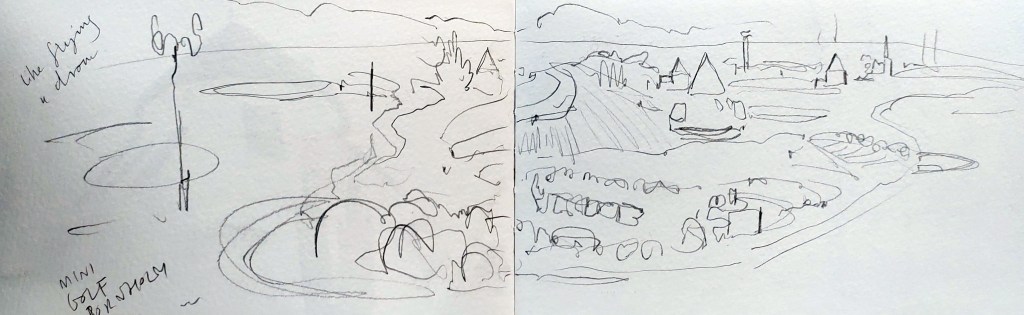
I left the shelter of the churchyard and headed northwest into the teeth of the windstorm. I stopped briefly at a ‘crazy golf’ course, built in the shape of Bornholm, and including scale models of many of Bornholm’s landmarks and tourist attractions. It seemed quite fitting, after having walked around the island for the last 51 weeks, to be gifted with the opportunity to have the whole of Bornholm laid out in front of me.

Minigolf Bornholm

I continued for a while, then stopped again at another of the island’s better-known tourist attractions – Bornholm’s medieval centre. I used to visit many years ago in the summer when the kids were small when there would be shows, workshops, and activities – and throngs of tourists. Now, of course, the site was closed and as I wandered around the replica fort and wattle and daub houses, past the rare-breed sheep and tiny rocky fields, muddy and forlorn in the biting wind, it seemed almost as if I had stepped back into the Middle Ages. Fitting as well, after 51 weeks of passing through so many historic sites and pondering the passing of time, that I was now gifted with such an immersive historical experience.

I carried on, taking a narrow road that followed the shoulder of a granite ridge ‘Lens Bjerge’, with good views to the south and east.

Stangevej mod øst

I passed through a small wood, somewhat protected while the wind roared in the treetops swaying above me. At the foot of the ridge I crouched down tried to paint.

At the foor of Lens Klint, mod nord

It was a struggle managing all my gear in the wind, so I decided to see if I could work with the elements instead. I soaked some grass ends in watercolour paint and let them make marks on the paper. An invigorating detour, but the results were unsatisfactory.

Grass painting

I continued, walking northeast towards Salene Bugt, then doubling back into the relative shelter of Gudhjem plantation. Here I paused by the picturesque small lake of Gråmyr, as the sun battled to break through the clouds and the wind began to reduce in intensity.

Gråmyr

I continued through Holkadalen and then up into the maze of small roads and jumbled houses with views down to the village of Gudhjem below. At one point the sun came out and the rooves of Gudhjem were lit red against the stormy sea and dramatic sky.

Gudhjem

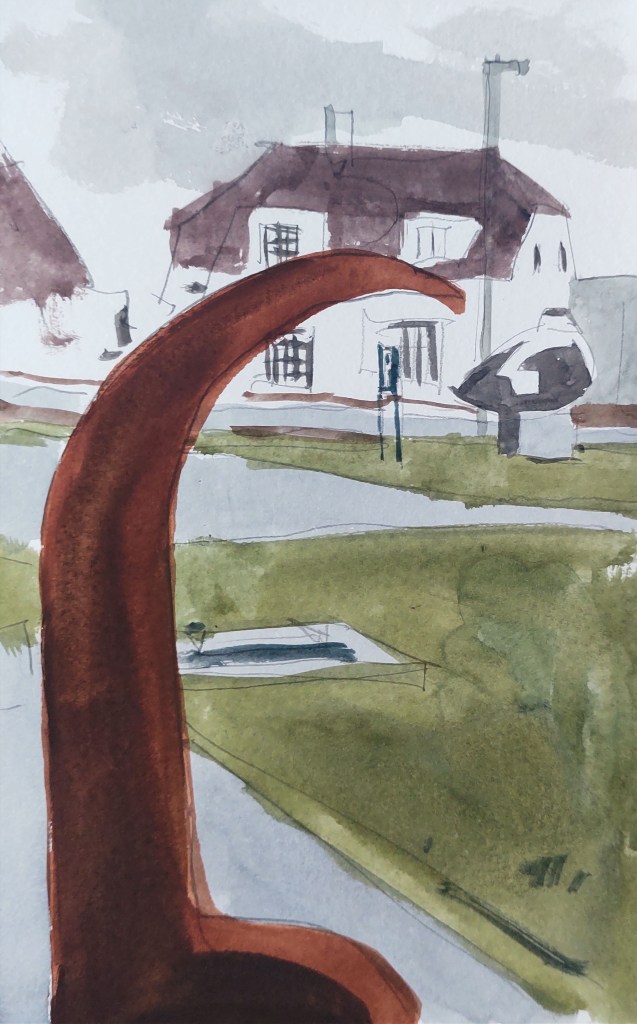
At Gudhjem museum, where I hope to exhibit some of the paintings from the LAND exhibition in six months’ time, I paused by two of my favourite Bornholmian sculptures: ‘Klo’ by Inge Lise Westman, and ‘Aaboen’ by Julie Høm.

Gudhjem museum

The shortest day of the year, and I was exhausted and completely wind-addled. I finished the day by Melsted Stubmølle, a tiny post mill that was originally located at Aarsdale, before being moved to Tejn and then in 2006 moved to Melsted. The dramatic sky reflected my mood, and the day was done.

Melsted Mølle

LAND 51

WEATHER REPORT – Overcast and very windy. Temperature 3 – 4 degrees. Wind 13 – 17 m/s, from the west. Hours of precipitation: 0.5 hours. Hours of sunshine: 0.5 hour.

STOPS with the BIVVY – 0

KILOMETRES WALKED – 12.49 km

DAY LASTED – 7 h and 16 m

PEOPLE TALKED TO – 1

BIRDS SEEN and HEARD – 25 species (0 new = 135 species in total)

LESSONS LEARNED – Forgot my gloves again. I learned that I learn nothing.

IN MY HEAD – When I wasn’t cursing the wind I was thinking of departed artist friends, Greg and Barbara.

LAND 50 – Gammel Bobbebro to Østerlars Round Church, 15.12.23

Denne side på dansk

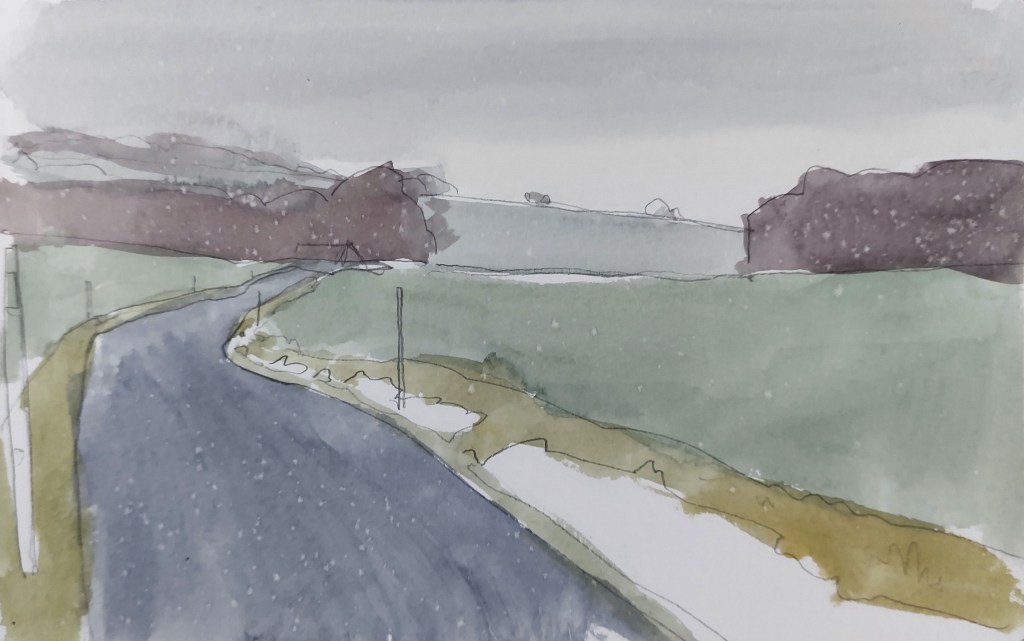
LAND 50 Cold, wet and grey – the cloud cover so thick that it was difficult to really know whether the day had started.  I walked up the hill away from the coast and then headed southeast, looking back towards the sea. The snow had mostly disappeared, with just a few bright stripes remaining in ditches and roadside verges.

Sigtevej, looking east

This was a reduced landscape without sharp edges, of mid-tones and pastel greys. Visually it was fascinating and beguiling, but I struggled with the fine drizzle and gusting wind. Somehow, I had forgotten my gloves and every time I tried to paint my fingers froze, and my gear got even more wet.

Sigtevej, looking northwest
Sigtevej, looking west

I entered Sigtedal, a quiet and secluded valley with lots of small woods and narrow muddy fields. I trudged through a damp and dreary silence, broken only by the lonely croak of an overflying raven or the explosive two-note call of a startled pheasant.

Sigtedal

I turned southeast and tried unsuccessfully to find a path through the Østerlarsker plantation. From here I emerged into ‘Krækket’ an open and largely flat area with huge bowling green fields and a scattering of small farms. In the distance through the misty fog, I could just about make out the turret of Østerlars round church.

View from Egeskovvej looking east

I marched onwards, aware as always of my GPS and the red line I was dragging through the landscape. I doubled back and headed towards the village of Østerlars, happy to find a good shelter to eat some food, but aghast to find I had forgotten both my lighter and the gas for my stove.

I walked towards the church along the old railway, now a bike path, the church appearing out of the gloom as I approached.

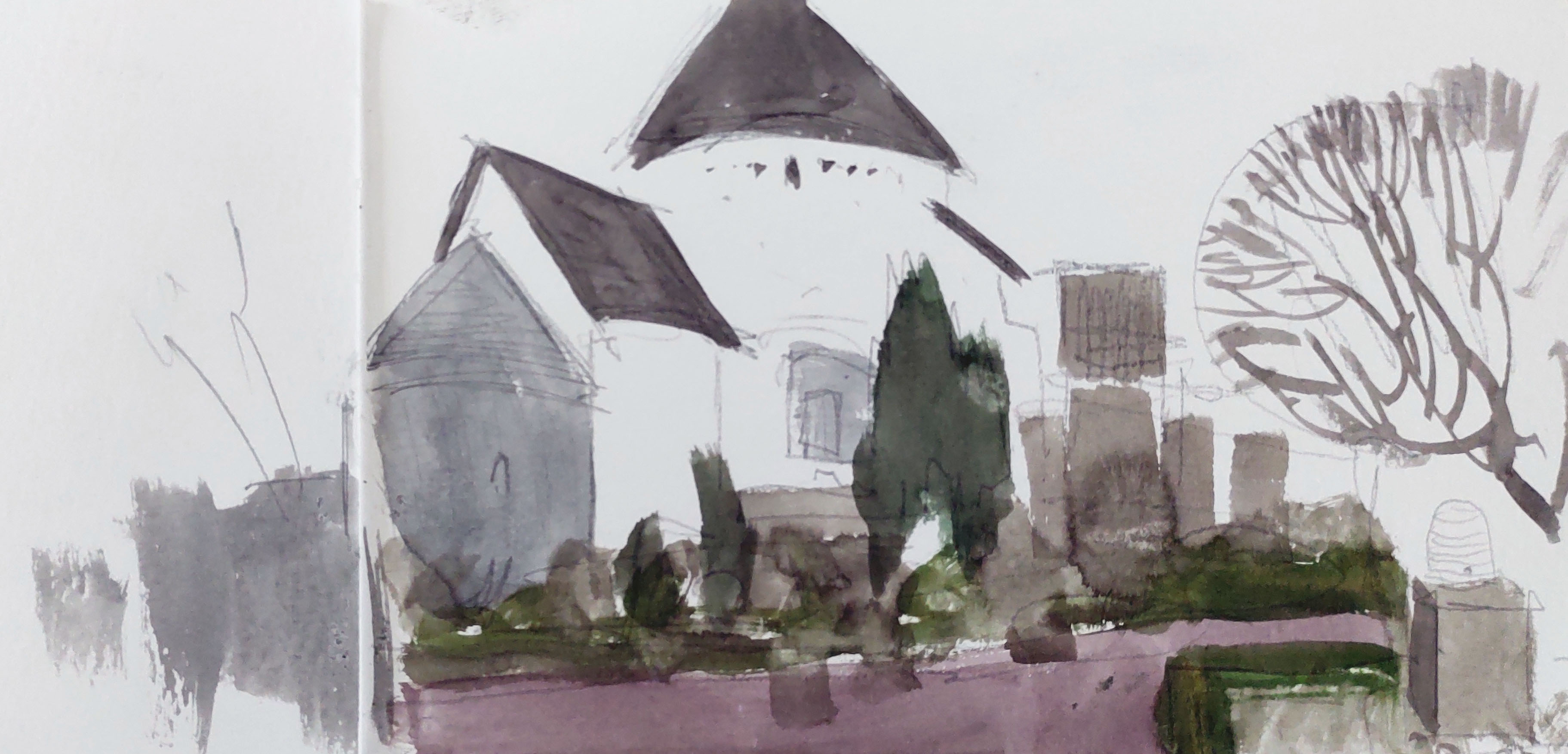
The largest, oldest, and most imposing of the island’s four round churches, Østerlars church has an agreeably stout and curvaceous profile, framed and supported by seven huge, angled buttresses. The whole site was, as ever, immaculately maintained and ordered, and I explored the graveyard for a while, before settling down and making one last painting in the gloom, as the day passed imperceptibly into night, and I was done.

Østerlars Round Church

LAND 48

WEATHER REPORT – Drizzling in the morning, misty in the afternoon. Temperature 4 – 5 degrees. Wind 5 – 8 m/s, from the west. Hours of precipitation: 3.5 hours. Hours of sunshine: 0 hour.

STOPS with the BIVVY – 0

KILOMETRES WALKED – 15.78 km

DAY LASTED – 7 h and 10 m

PEOPLE TALKED TO – 3

BIRDS SEEN and HEARD – 26 species (0 new = 135 species in total)

LESSONS LEARNED – chaos always wins over order…after all these years and all these check lists, I still forget the most important things.

IN MY HEAD – a lot of internal moaning about my cold hands and the wet grey weather. My daughter in Panama.

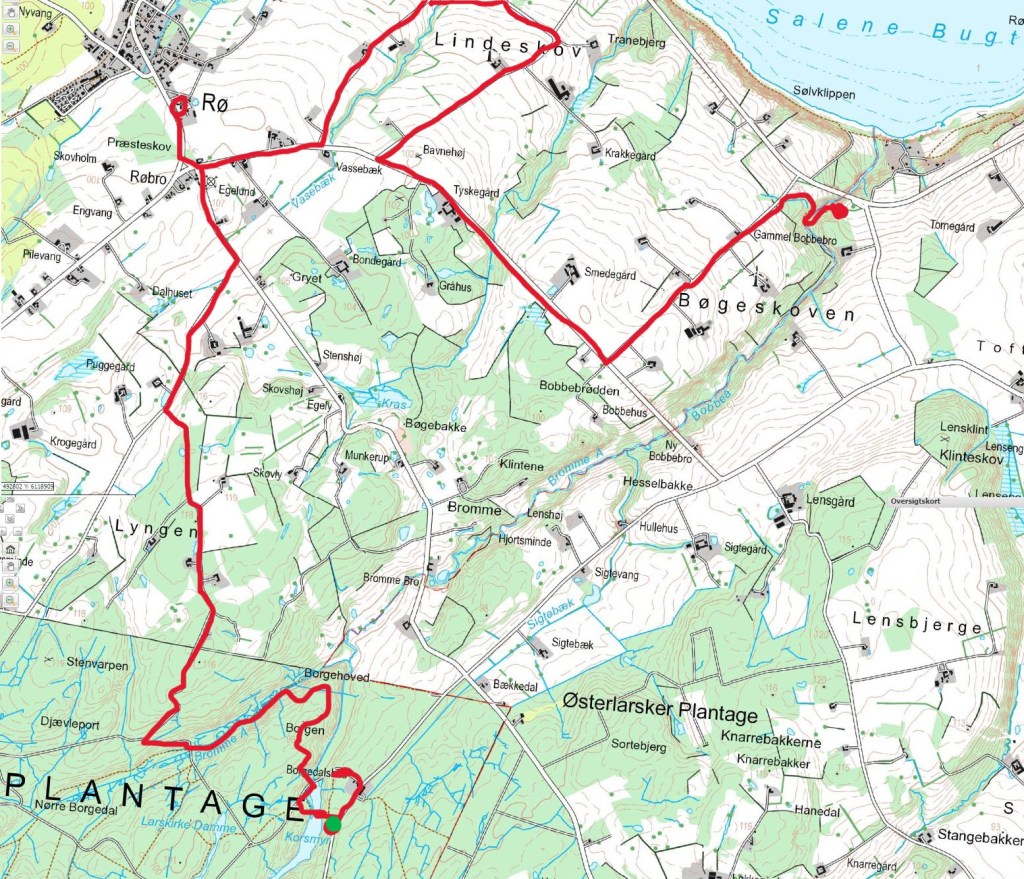
LAND 49 – Borgedalsø to Gammel Bobbebro, 08.12.23

Denne side på dansk

LAND 49 I arrived at the starting point feeling well-rested and prepared for a short and intense day in the snowy landscape. There was little wind and the thick layer of cloud created an even light. The temperature was just above freezing, where it would remain all day.
View of Borgedalsø
Edge of Borgedalsø

The snow was heavy and sodden, and slippery underfoot. I walked around ‘Borgen’ where there had once stood defensive fortifications in the early medieval period. The area is grazed by sheep and I followed their tracks through the snow. There were expansive views of the plantation and beyond, the heavy silence broken only by the quarrelsome bickering of ravens, already busy with establishing their territories and reacquainting their pair bonds. A secret sign of spring in the depths of winter.
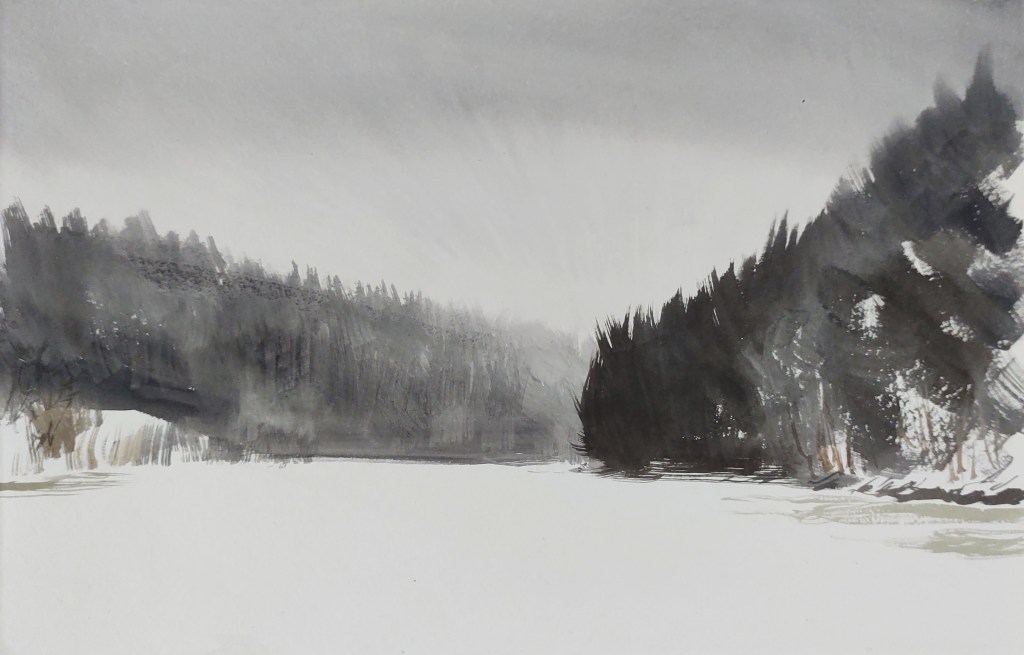
I continued through the plantation, first heading west and then north. The snow had created a minimalist universe of grey, umber, and sepia. What colours there were – the reddish copper beech leaves, or the yellow-ochre birch trunks – were thus made more intense.

I left the plantation and continued into an open landscape of small woods and isolated farms. Back in the edge of the forest I had disturbed a territorial dog, and I could still hear it’s angry barking echoing across the landscape several kilometers and half an hour later. There were very few cars and, of course, no people.

Looking West from Puggevej

I arrived at the outskirts of Rø village. At the crossroads, a derelict windmill and a long-since closed village shop contrasted with a sign pointing to the ‘Climbing centre’.

The corner of Røbrovej and Brommevej

I stopped for a while at Rø church, pacing around the graveyard and reading the names and dates on the tombstones, creating characters and narratives in my head.

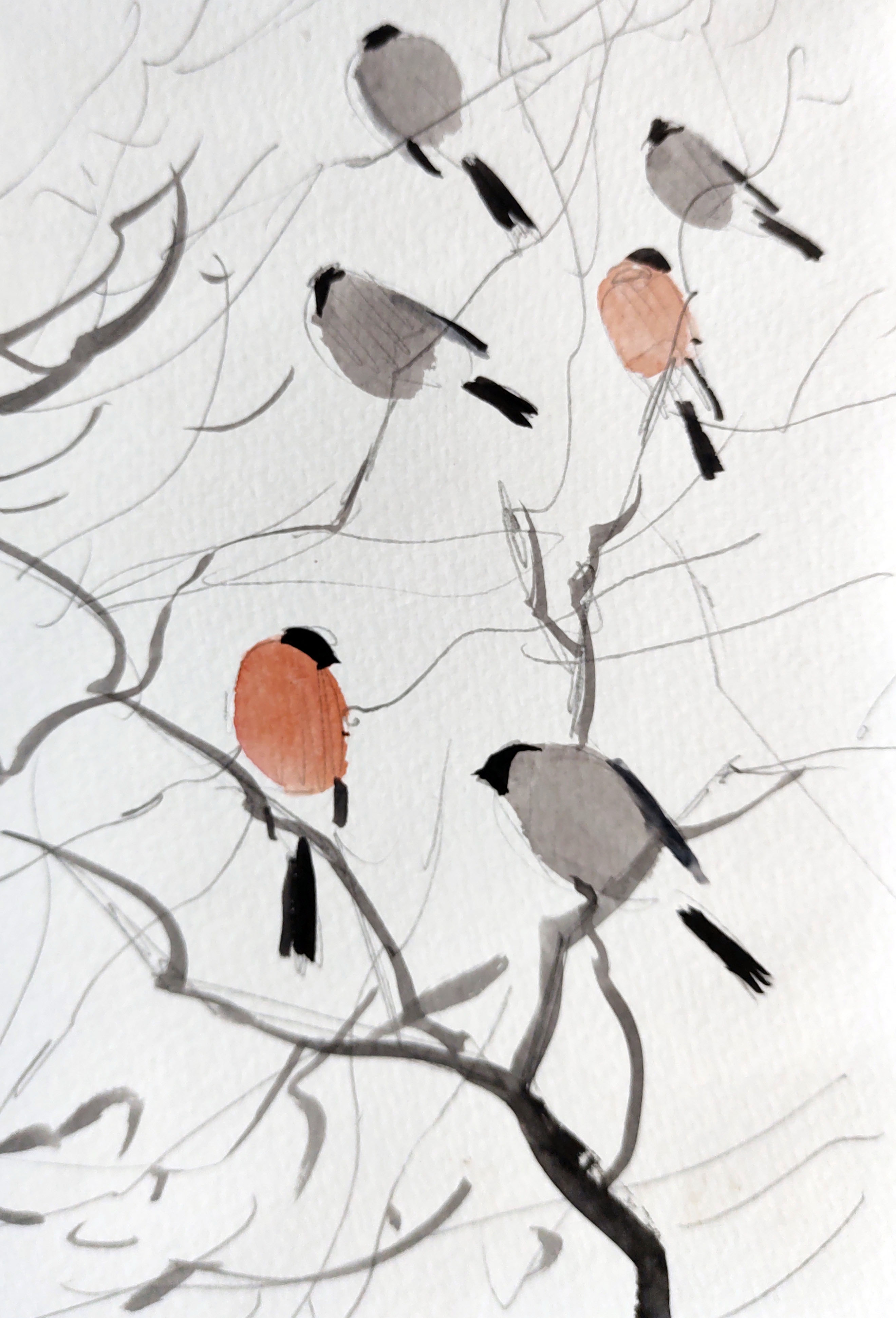
As ever, the church was a beacon in the landscape, a place of shelter and rest, and I stopped for a late lunch. A pair of bullfinches rested in an ash tree overhead, their peaceful fluting calls resonating in the snowy landscape. The crimson-pink breast of the males glowed hot – but the less saturated females were no less beautiful or perfect.

Bullfinches

I continued onwards, through the harsh landscape, colder now that the wind had picked up a little. I had views again of the grey and bitter sea and managed to make one last painting before racing down to the pickup point and the end of the day. Exhausted as ever, and full of the day’s intensity.

View from Salenevej

LAND 48

WEATHER REPORT – Overcast. Temperature 1 degrees. Wind 2 – 5 m/s, from the southeast. Hours of precipitation: 0 hour. Hours of sunshine: 0 hour.

STOPS with the BIVVY – 0

KILOMETRES WALKED – 13.26 km

DAY LASTED – 7 h and 18 m

PEOPLE TALKED TO – 2

BIRDS SEEN and HEARD – 31 species (0 new = 135 species in total)

LESSONS LEARNED – following waymaked paths in the snow is hard.

IN MY HEAD – I thought a lot about the relationship between information and intensity. Also, about the perfection of a bullfinch pair in a snowy landscape.

LAND 48 – Tyveklippen to Borgedalsø, 01.12.23

Denne side på dansk

LAND 48 Sunrise. The crystal-clear night sky was being overrun by bands of dark grey and inky blue clouds. For several days the island had been covered in a thick blanket of snow and I was thrilled at the prospect of a day outside, painting in the wintry wonderland.

View from Krashavevej

The car’s thermometer had shown minus seven, but I could feel the day was already warming up. I had been expecting my watercolours to freeze on the paper and create wonderful icy tendrils and feathery patterns and was disappointed when this didn’t happen. I walked around Spellinge mose – a long thin lake bordered by reedbeds, before climbing a small hill and enjoying the panoramic view. As I painted in the frosty silence, the peace was suddenly shattered by the unmistakable porcine squealing of a water rail, hidden in the vegetation below.

View from Storeborg

I continued, my boots squeaking on the fresh snow, passing through a small fir plantation and past some friendly sheep, warm and buff-yellow against the cold blue-grey snow shadows.

I followed the route of the old railway to Rø, now a bike path, past vertiginous granite cliffs where lines of snow had settled and created jagged patterns.

Kleven, Spællinge, mod nordvest

To the southeast, the milky winter sun was struggling to break through the clouds, glowing intermittently through frozen tree trunks.

Kleven, Spællinge

As I continued south, it suddenly began to snow. I had not expected this, and had packed neither my bivvy nor my umbrella to shelter under.

View from Splitsgårdsvej

Eventually I entered Rø plantage, a huge rhomboid-shaped plantation begun in the 19th century. The snow fell heavily making it difficult to paint, and I was thankful to discover some great new wooden shelters, where I stayed for a while and imbued the incredibly serene atmosphere. Here, deep in the forest there was almost total silence, broken only now and then by the throaty kronk of a passing raven, or the gentle fluting calls of bullfinches. What little sounds there were seemed to be amplified or intensified somehow by the snow. There was very little colour, very little sound.

I walked around the plantation, sometimes following the narrow roads or paths, sometimes going off-piste and following the innumerable tracks of deer and hare. I wondered at the difference between all the different types of woodland, but also cursed by an inability to paint in the falling snow, limiting myself to some small quick pencil sketches, the colours added later.

The snow continued unabated, and I arrived at my destination, at the edge of the Borgerdals Lake. I made one last snow painting before being picked up and driven back to my car.

Borgedalsø

LAND 48

WEATHER REPORT – Clear in the morning, sleety and snow in the afternoon. Temperature  minus 4 – 1 degrees. Wind 2 – 3 m/s, from the northwest. Hours of precipitation: 4.5 hours. Hours of sunshine: 1 hour.

STOPS with the BIVVY – 0

KILOMETRES WALKED – 14.07 km

DAY LASTED – 7 h and 31 m

PEOPLE TALKED TO – 1

BIRDS SEEN and HEARD – 18 species (1 new, water rail = 135 species in total)

LESSONS LEARNED –lots of snow stuff ‘relearned’ – but most of all, not to trust the weather forecast.

IN MY HEAD – rather a lot of internal moaning about the falling snow, unfortunately.

LAND 47 – Krashave to Tyveklippe, 24.11.23

Denne side på dansk

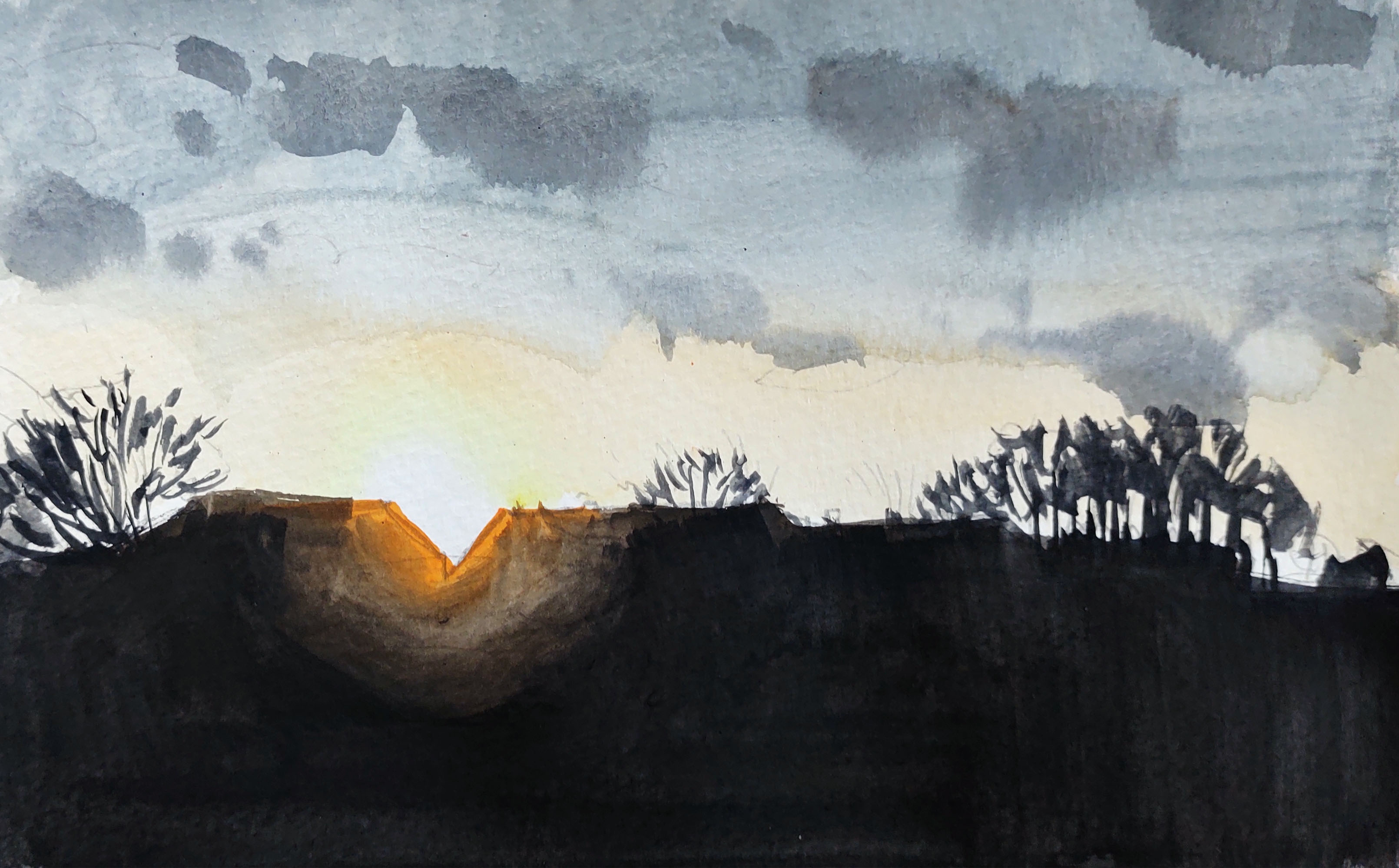
LAND 47 For the first time in many weeks, I was greeted with clear skies and a stunning sunrise. I headed east past flooded fields and made several paintings of the sun’s orange corona as it began its wintry journey low across the sky.

Sunrise, Nordre Lyngvej

I walked into Rutsker plantation, firstly through dark and shady stands of spruce, then brighter areas planted with larch and oak. Emerging from the wood, I passed by a bright green field where a hefty Hereford bull eyed me suspiciously.

Hefty Hereford

I trudged onwards along a muddy path and entered the Rutsker Højlyng, a wonderfully varied wood and heathland partly managed by the local forestry commission. In amongst the trees, huge erratic boulders perched on the granite bedrock, in places polished flat and smooth by retreating glaciers during the last ice age.

In an open area of heathland, the dramatic sky was reflected in puddles of rainwater.

Rutsker Højlyng

I emerged from the forest and marched on, through the agricultural landscape, with farms and homesteads scattered regularly amongst the muddy fields and small woods. The wind was picking up now and to the east, the sky was darkening dramatically.

Looking north, Lynggårdsvej

At the tiny hamlet of Humledal, I turned southeast and walked along a quiet road with expansive views of the icy Baltic Sea. The sky was now bruised deep blue and pewter, the wind bitingly cold. Huge smoky curtains of snow and sleet were dragged across the waves by an invisible hand, getting ever closer.

View from Røvej

A rough-legged buzzard passed overhead, struggling to maintain control in the gusty wind.

Then suddenly the wind shifted and I found myself in the middle of a sleety snow storm. I hurried along the road, before eventually finding shelter in the wooded valley surrounding Døndal Stream.

When the worst of the storm had passed, I continued onwards, stumbling down the steep sides of the valley and then walking upstream until I arrived at Døndal waterfall, Denmark’s largest. With all the rain we’ve been having, the stream was in full spate, and the crashing tumult was thunderously loud and awe-inspiring.

It was difficult to drag myself away from the all-encompassing noise and energy of the waterfall, but the day was running away. I followed the stream upstream on a slippery and overgrown path, before crossing the main road and continuing along a path next to the golf course. The path was poorly signposted, waterlogged and greasy, and I was cold and tired. The positive solar clarity of the morning seemed like a distant memory, a different day altogether.

I stumbled on through an attractive oak woodland, but I was already thinking of the long walk back to the car and the bored dog waiting for me at home, that also needed a walk.

LAND 47

WEATHER REPORT – Clear in the morning, sleety and snow in the afternoon. Temperature 2 – 5 degrees. Wind 8 – 10 m/s, from the northwest. Hours of precipitation: 2.5 hours. Hours of sunshine:  3 hours.

STOPS with the BIVVY – 1

KILOMETRES WALKED – 14.54 km

DAY LASTED – 7 h and 55 m

PEOPLE TALKED TO – 0

BIRDS SEEN and HEARD – 31 species (0 new= 134 species in total)

LESSONS LEARNED – Remember to check how much gas is left before you pack it.

IN MY HEAD – Eskild and his art. Biogas, Superbandet’s new bluesy song

LAND 46 – Olsker to Krashave, 17.11.23

Denne side på dansk

LAND 46 In the cold drizzling rain, I parked the car and walked out of the village of Olsker, towards Dalegård’s quarry. Despite the weather I was feeling positive and looked forward to a whole day of being outside and moving through the landscape. Bornholm has had a lot of rain these past weeks and several paths around the quarry were flooded. Eventually, however, I found a good vantage point and settled under my new jumbo umbrella and tried to capture the delicate autumnal colours and peaceful atmosphere of the quarry.

Dalegård’s Quarry

From here it was a short walk to Ols Kirke, another of Bornholm’s round churches, and probably my favourite. Smaller and less showy than the others, Ols Kirke sits high in the landscape with commanding views to the east and the Baltic. I made a few sketches as I approached and walked around, and then spent a little longer on a painting.

Ols Kirke

I marched onwards, heading east through the hilly, cultivated landscape under a dynamic sky. The sun broke through briefly, then the rain returned. I made some quick sketches, each time hurried along by another shower.

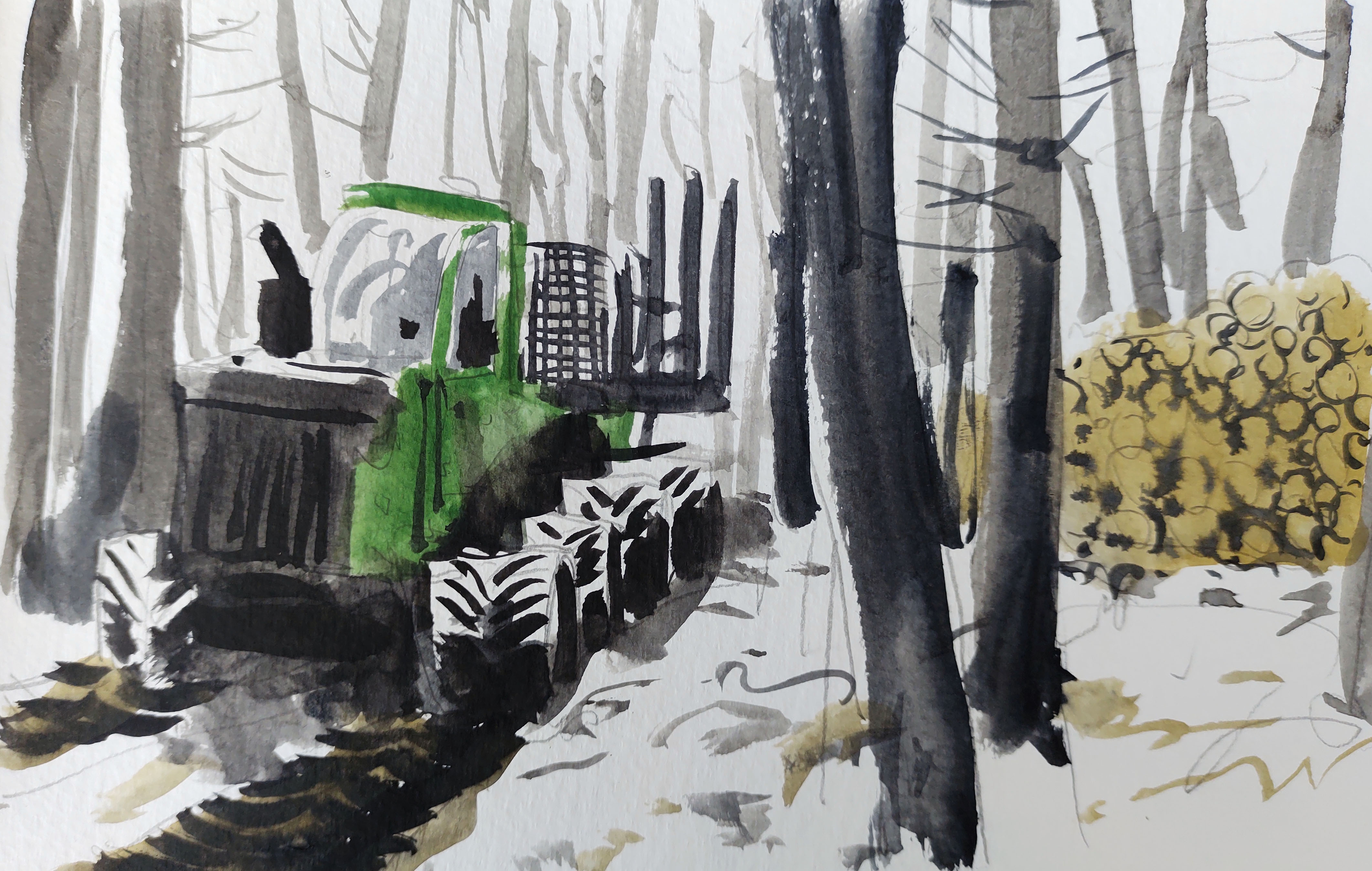
I headed west again, taking a shortcut through the edge of a small beechwood, within which I stopped for a quick lunch break. I strode on, path waterlogged fields, before taking another side route into a large private woodland, where the path took me up and along a ridge with great views over the surrounding countryside. Much of the trees had evidently been cleared some years ago, and rutted tracks made by heavy machinery cut had cut deep into the soil. These were now filled with water and made going very hard. Brambles, dog rose and hawthorn gradually encroached, until the path was no longer visible. Once again, I had mistakenly trusted the map and now had to double back through the waterlogged landscape.

Ind i skoven

I still had a way to go, and time was running out. The low sun emerged again, casting a wonderful golden light on the landscape – transforming the sepia brown woodland into burnished copper and lighting up the stripes of green shoots on newly ploughed fields luminous green. It was spectacular. I managed to make a few sketches but cursed my poor planning and time management.

Eventually I arrived at the day’s destination, a friend’s house where I was very glad for a cup of tea, some homemade shortbread and a lift back to Olsker – but gutted to discover my umbrella had been lost somewhere along the way.
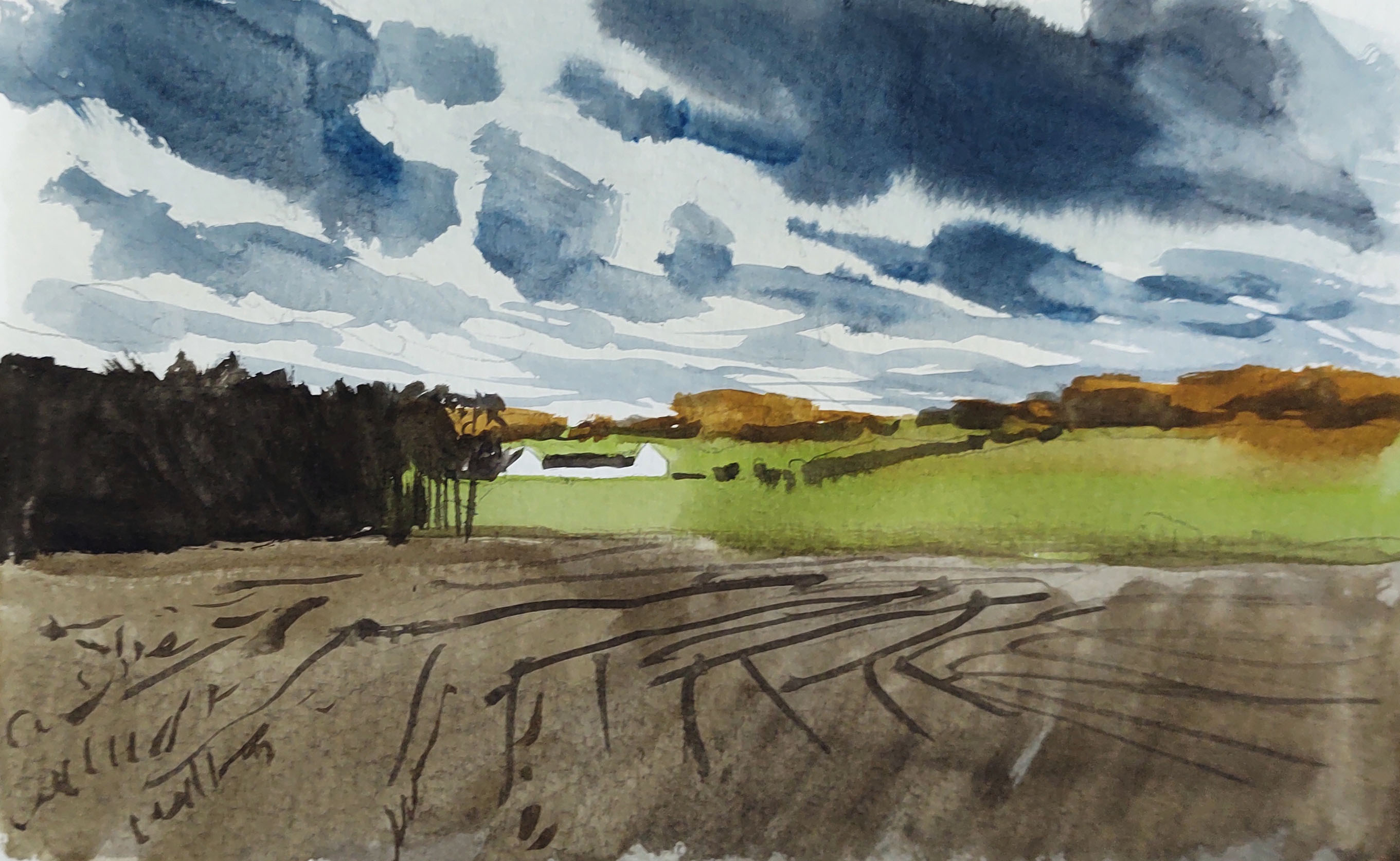
LAND 46

WEATHER REPORT – Overcast majority of day, some sunny spells and showers. Temperature 4 – 6 degrees. Wind 5 – 6 m/s, from the northeast. Hours of precipitation: 1.5 hours. Hours of sunshine:  1 hour.

STOPS with the BIVVY – 0

KILOMETRES WALKED – 15.95 km

DAY LASTED – 8h and 19 m

PEOPLE TALKED TO – 0

BIRDS SEEN and HEARD – 31 species (0 new= 134 species in total.

LESSONS LEARNED – I spent 12 pounds on some deluxe camping food – it was worth it.

IN MY HEAD –biogas meeting, stressing about time and my route.

LAND 45 – Østre Borregaard til Olsker, 10.11.23

Denne side på dansk

LAND 45 A little late, I left the car by the museum and headed straight towards Hestehaven, a large lake deep in the woods, choked with reeds and difficult to approach.

Hestehaven

I continued through the dense woodland along a barely detectable path that took me over a ridge and back down into Ravnedal. I emerged wet, muddy and disoriented from the forest, and enjoyed the great view across the valley. Here I sheltered from the light drizzle under my tarp and painted the burnished golds and yellows of the beechwoods.

Ravnedal and Stenløsevej

The rain soon abated and I continued, zigzagging through an undulating agricultural landscape along narrow country roads, surrounded by waterlogged loamy fields and patches of woodland. The weather was changeable, the sky dynamic, and there was a pleasing energy to the day. I made several small landscape studies in my sketchbook.

I walked along a busy road for a while, walking briskly as cars raced by. I paused briefly to sketch some Rooks feeding amongst the stubble.

Rooks

Taking a quick detour to some Iron Age rock engravings, I sheltered from the wind behind some low blackthorn bushes. Nearby, a rather flamboyant wind-sculpted hawthorn was accosted by a rowdy gang of fieldfares.

Hawthorn and fieldfares

I walked parallel to the main road along an unmetalled track connecting a long row of farms, with great views of the sea beyond. A chance encounter with a pair of twite, my first for many years, cheered me up immeasurably. For the first time on the LAND trip, I had the sensation of returning to the beginning – the undulating landscape with views east to the sea, the cold and windy weather, the bare trees and barren fields – all conspired to remind me of the first LAND trips many, many months previously, and of the circular nature of the LAND project, and indeed of the year.

Bækkegård

The day was slipping away, and I still had a way to go. I headed west along a small road, then dived back into the woods, following a new walking route, the ‘Højlyngsstien’, for a while. Deep in the woods, I arrived at the Ole Christiansen’s sculpture park – scores of organic granite forms standing in the grass. I started to draw each sculpture, aquatinting myself with the soft and convoluted shapes of each and every sculpture, quickly feeling a stronger and deeper bond with the artworks, and indeed the artist. I was reminded of the transformative nature of the act of drawing – the power of really looking.

Ole Christiansen sculptures

I took a side path into Krubbedal, a dark and overgrown rift valley with steep granite sides and a mass of fallen rotten trunks. The path slowly disappeared, and I found myself trapped in a brambly, thorny dilemma. It took me far too long to find my way out and there was no time to make it all the way to the day’s destination, Olsker round church – lit in the distance by the last rays of the setting sun.

Olsker round church

The day was done, but I still had to walk all the way back to the car, through the woods again, only this time in the dark.

LAND 45

WEATHER REPORT – Overcast majority of day, some brief sunny spells and light rain. Temperature 7 – 9 degrees. Wind 5 – 6 m/s, from the southwest. Hours of precipitation: 0.5 hours. Hours of sunshine:  0.5 hours.

STOPS with the BIVVY – 1

KILOMETRES WALKED – 13.96 km

DAY LASTED – 8h and 41 m

PEOPLE TALKED TO – 2

BIRDS SEEN and HEARD – 36 species (1 new, twite) = 134 species in total.

LESSONS LEARNED – I often collect seeds as I walk, and I found out that the seeds of Norweigan angelica in my pocket had an incredible citrusy smell.

IN MY HEAD – Impending biogas meeting, the awful film I watched last night, ‘Sådan er det’ by Supebandet, Panama.